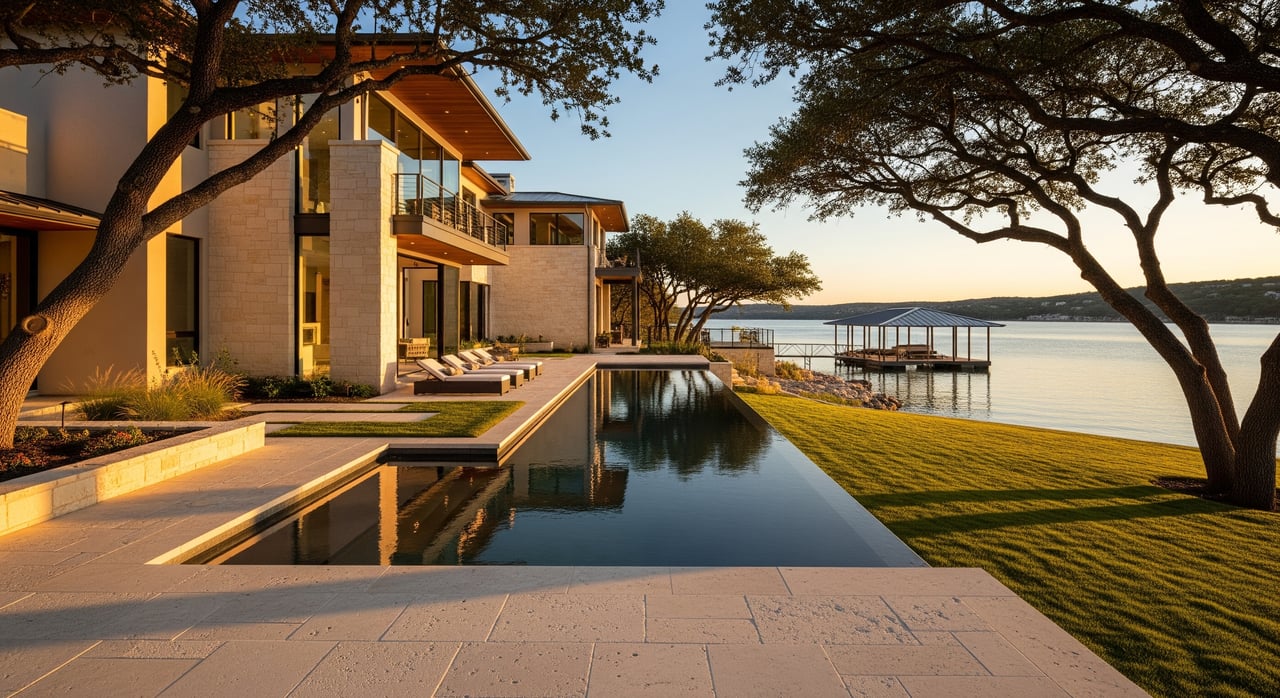
Lake Austin Home Styles in 78733: A Luxury Visual Guide
January 1, 2026
January 1, 2026
What if you could glance at a Lake Austin listing and know exactly what you are seeing? In 78733, styles signal more than looks. They hint at how a home sits on a steep lot, how it handles sun and water, and how well the outdoor spaces work day to day. If you want to buy, build, or list along this shoreline, knowing the visual cues can help you move faster and with confidence.
This guide walks you through the three dominant luxury styles in 78733, the materials you will see, the waterside features that matter, and the permitting and maintenance realities that come with lakefront living. You will learn what to spot in photos, what to ask during showings, and how to present a property for maximum impact. Let’s dive in.
The 78733 stretch of Lake Austin includes steep, wooded Hill Country parcels that often step down to the water. Lots can be narrow along ridgelines or long and waterfront. That shapes the architecture you see. Many homes are vertical and terraced with multi-level plans, walk-out lower levels, and cantilevered decks to hold the view.
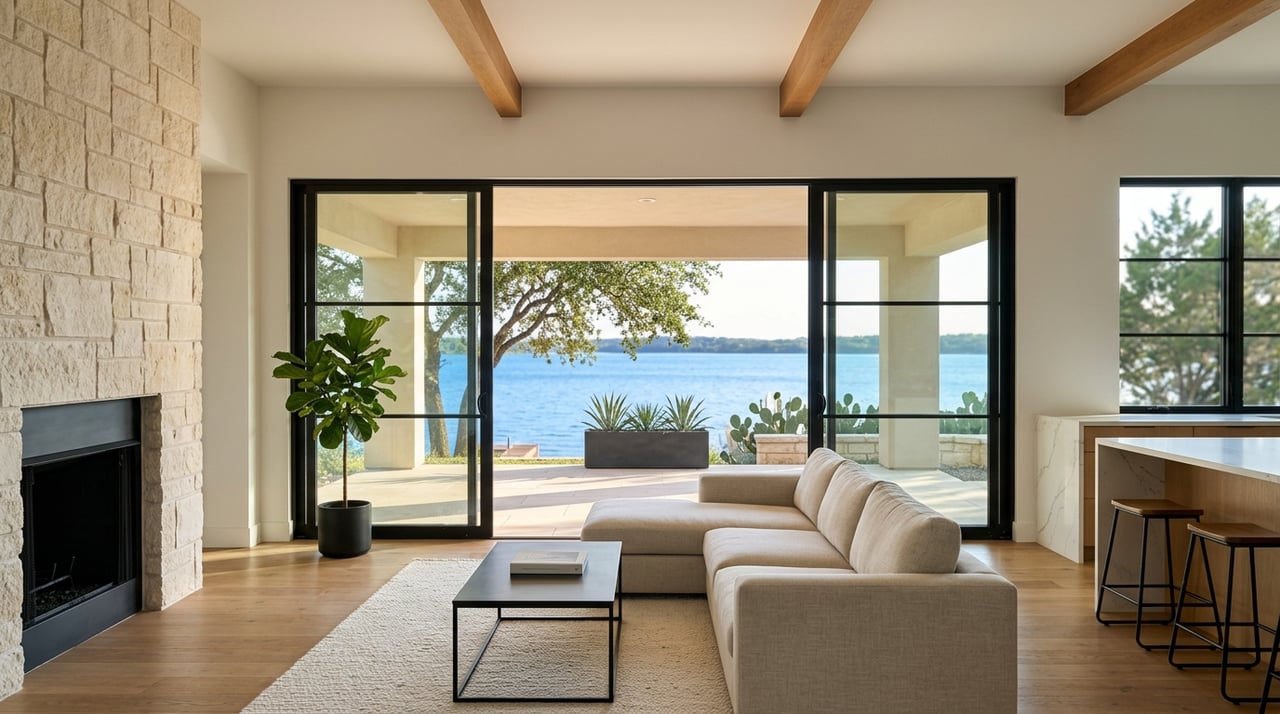
Style also responds to privacy. Large glass walls typically face the lake to capture views, while vegetation, setbacks, and retaining walls shield you from neighbors and boat traffic. The best designs balance openness toward the water with smart screening at the sides and street.
Finally, local rules and site engineering play a big role. Shoreline work and private docks are typically governed by the Lower Colorado River Authority. Portions of the shoreline sit in FEMA flood zones, which can drive foundation elevation and flood-proofing. The area overlaps the City of West Lake Hills and Travis County, with small pockets of Austin. Setbacks, septic or sewer, tree preservation, and impervious cover can vary by parcel, so it pays to verify the exact jurisdiction early.
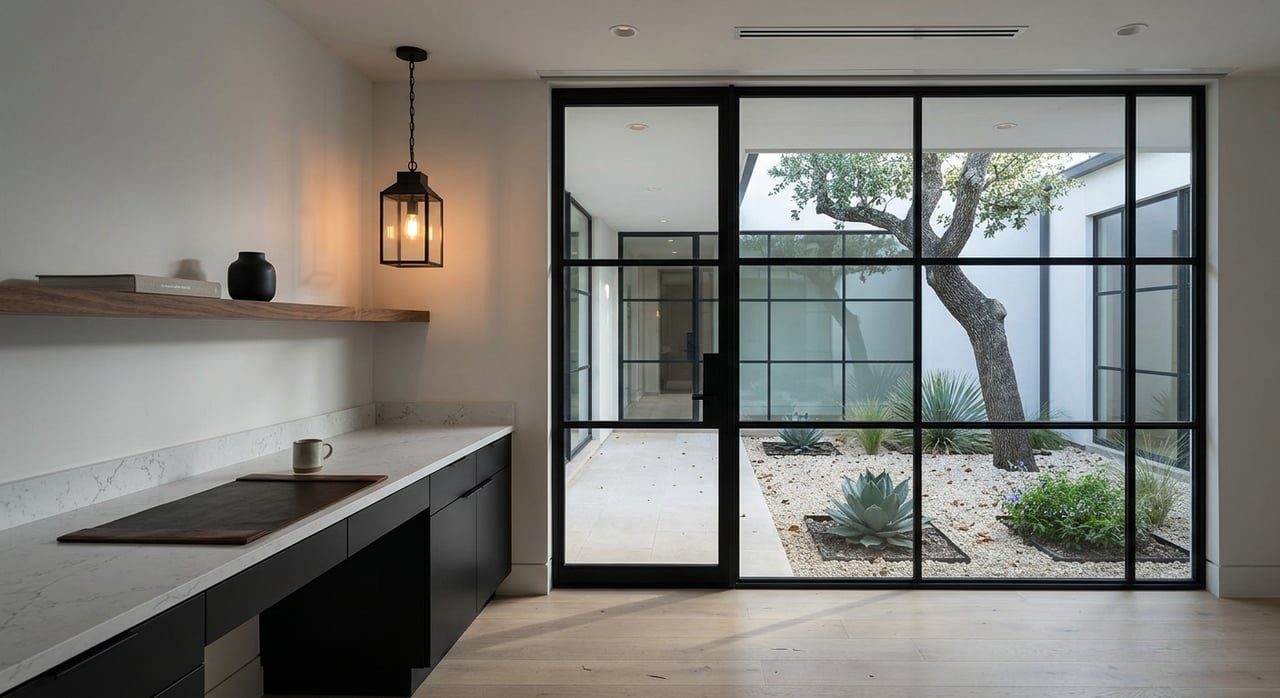
Modern homes here are all about view, shade, and flow. You will often see impact-rated glass, thermally broken frames, and low-e glazing to control heat gain. On steep sites, expect engineered foundations and retaining elements that support those dramatic overhangs and decks.
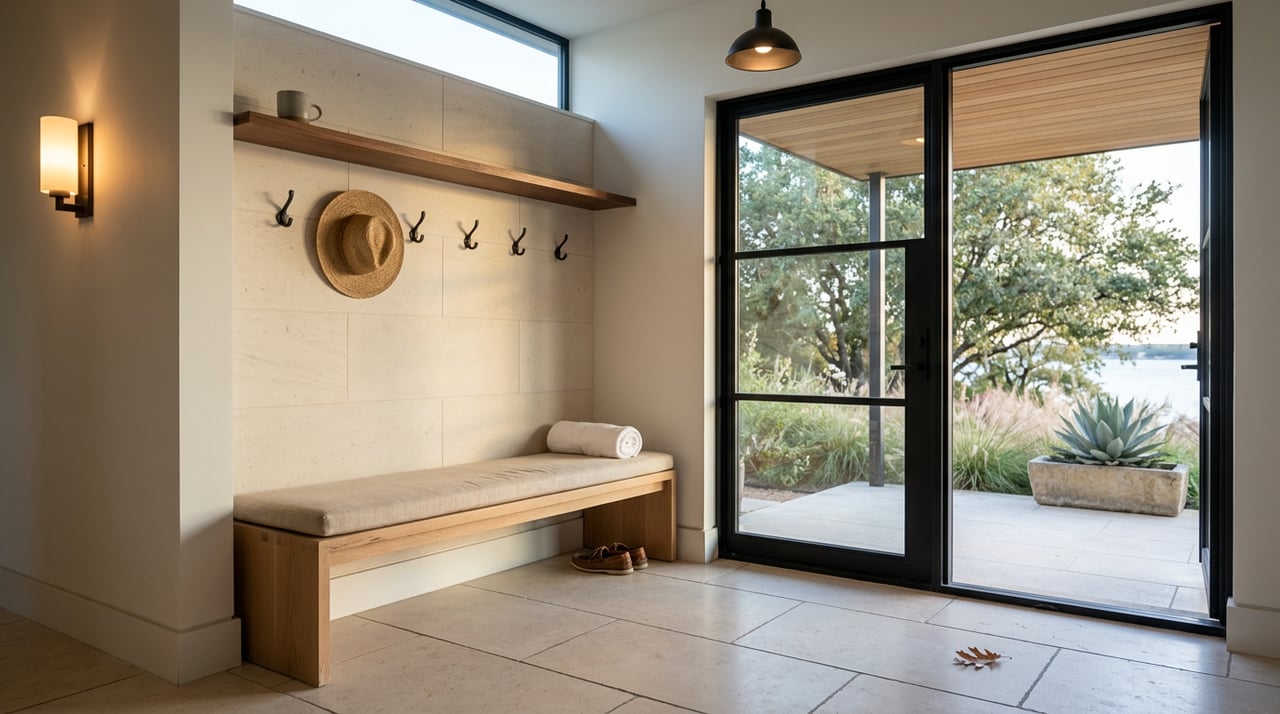
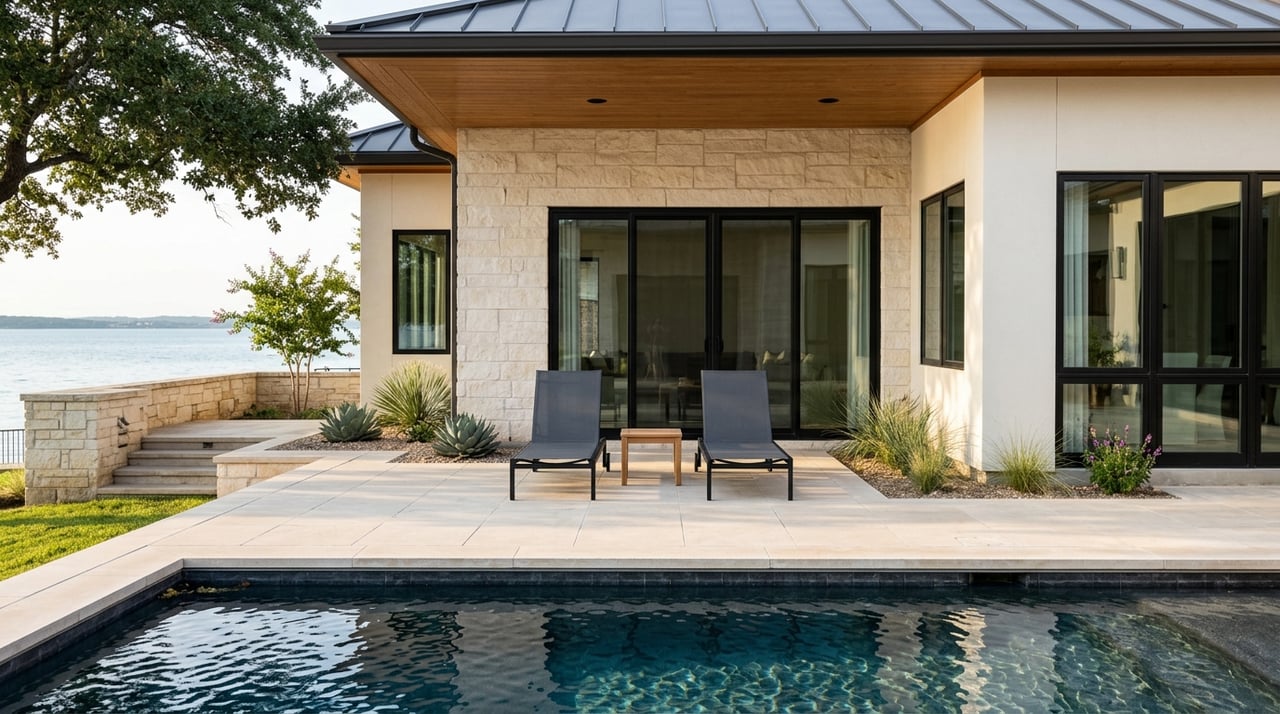
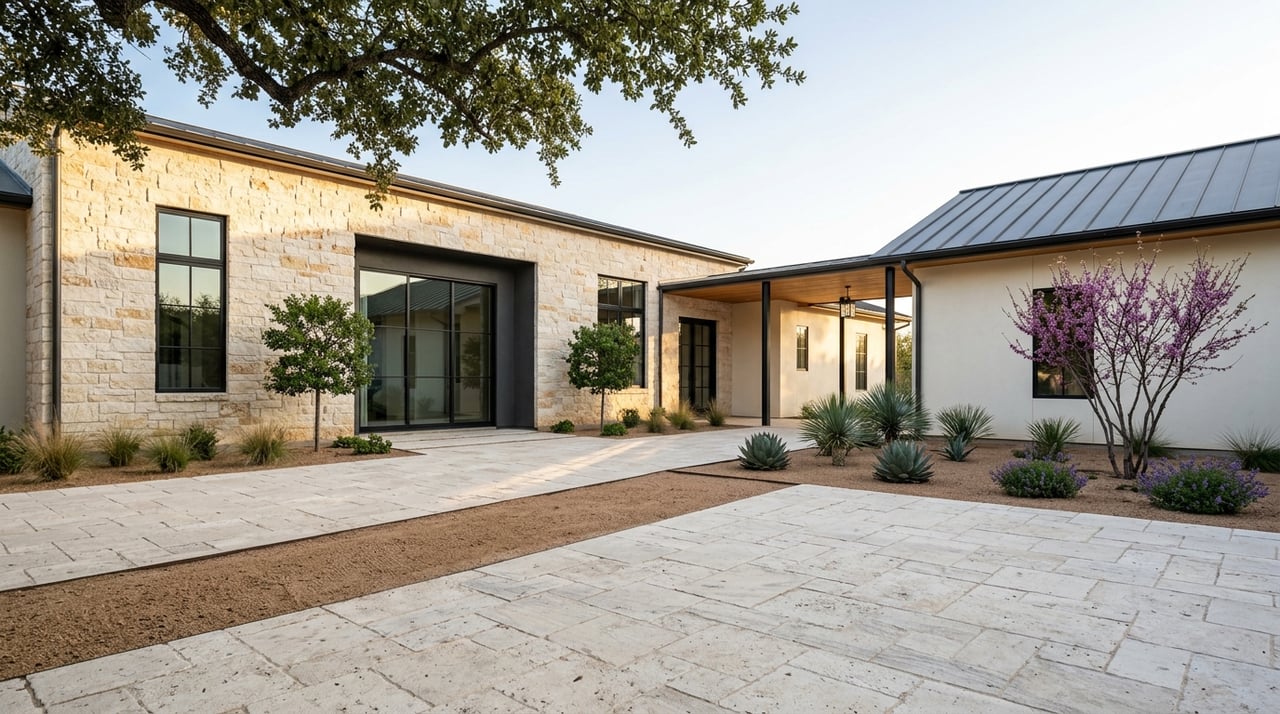
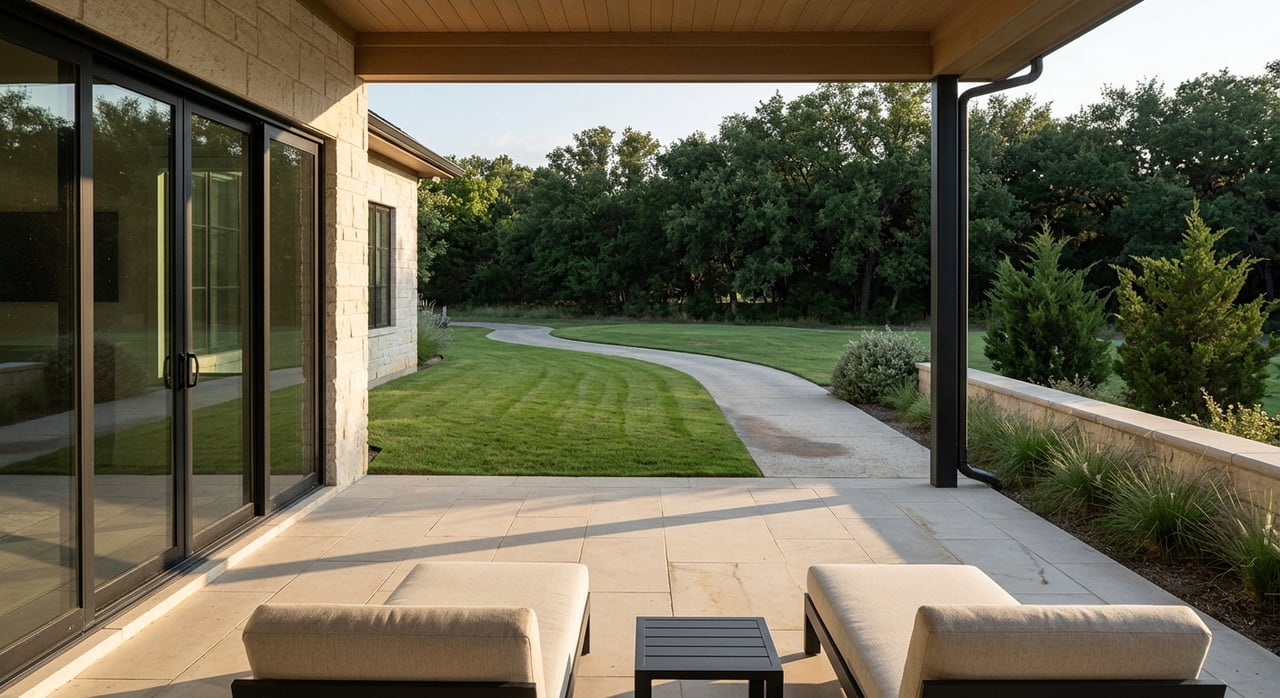
Texas Contemporary is popular if you want modern comfort without stark minimalism. Window openings are large but more framed than full curtain walls, which can feel cozier while still capturing the view.
Transitional design fits a wide audience. It offers traditional curb appeal with modern glass and indoor–outdoor living at the back. If you like familiar forms but want today’s function, this style is a reliable match.
Do not be surprised when a Texas Contemporary home presents a modern glass wall facing the lake, or when a Transitional home carries a minimalist interior. Many luxury properties in 78733 blend styles. When you evaluate or describe a listing, pair the style label with concrete features such as glass walls, porch depth, roof form, materials, and the shape of outdoor spaces.
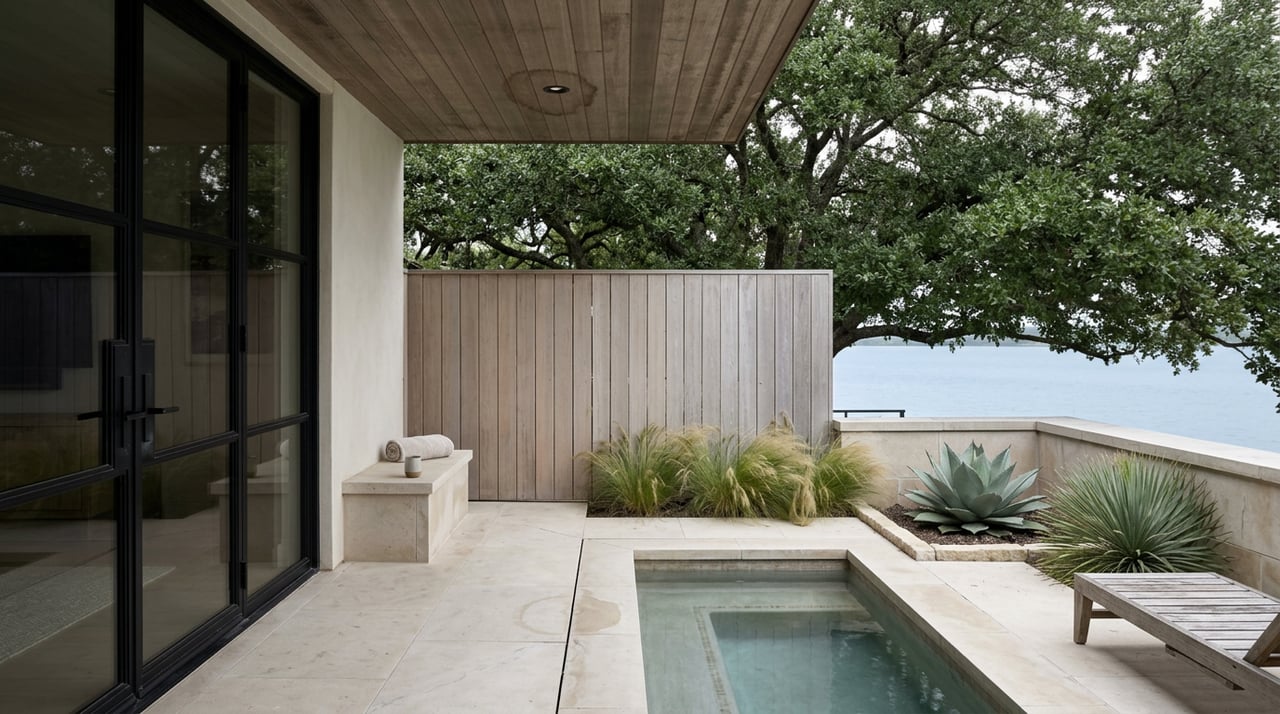
Color tendencies follow the styles. Modern often leans monochrome with white, charcoal, and concrete gray. Texas Contemporary tends toward warm stone and wood with deep gray metals. Transitional favors painted neutrals with stone accents.
Private docks are a major draw. You will see floating docks, dedicated boat slips, lifts, and swim platforms. Most shoreline work and dock construction typically require approval and permits, often with set-back rules and engineering for piling and anchoring. Materials range from pressure-treated timber and hardwoods such as ipe to composite decking and concrete or steel pilings. Wooden docks need regular staining and fastener checks. Composites cut down on maintenance, but lifts and mechanicals still need routine service.
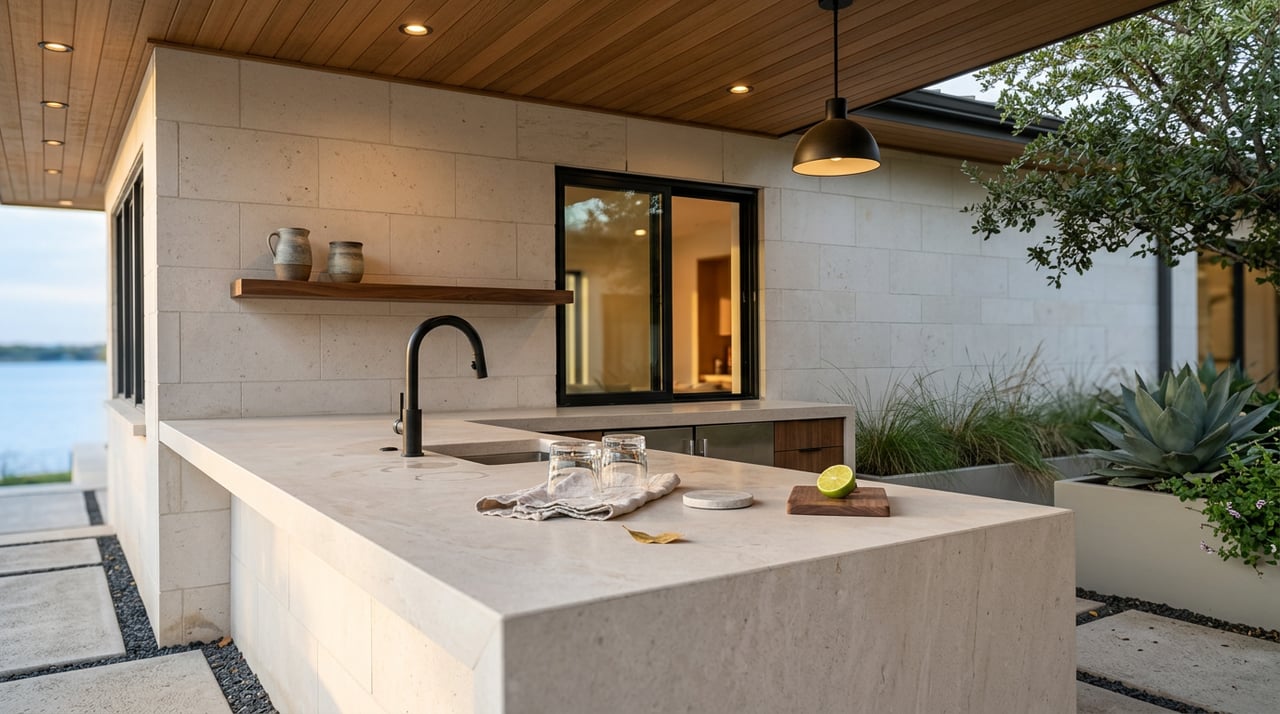
Infinity or negative-edge pools are common, set at the lake-facing edge for a clean horizon. Terraces step with the slope to create multiple living zones. Expect outdoor kitchens, fire features, and privacy screens. Good designs connect the home to the dock with thoughtful stairs and landings.
Landscaping favors native and drought-tolerant species like live oaks, yaupon, mountain laurel, and ornamental grasses. Terracing, boulder placement, deep-rooted plantings, and engineered retaining walls help stabilize steep ground. Vegetative buffer strips reduce runoff and protect lake health.
Shoreline and dock projects are typically governed by the Lower Colorado River Authority. Parts of the shoreline lie in FEMA-designated floodplains, which can influence foundation height and insurance requirements. The area overlaps the City of West Lake Hills and Travis County, with small pockets of Austin, so be ready for different rules on setbacks, septic or sewer availability, tree protection, and impervious cover. Early in your process, verify jurisdiction, flood zone, and any existing shoreline permits.
Style labels carry meaning. Phrases like “modern glass-walled retreat” signal high glazing and minimalist finishes. “Texas contemporary” promises warm textures and deep porches. “Transitional” suggests broad appeal with classic proportions. Pair any label with specifics such as number of terraces, pool type, dock details, lot frontage, and recent upgrades.
Waterfront homes often carry higher recurring costs. Be transparent about dock and seawall maintenance, erosion control, relevant insurance, and vegetation management. Disclose any unpermitted shoreline work, past shoreline repairs, and any ongoing conditions tied to prior approvals.
Whether you lean modern, Texas Contemporary, or Transitional, the best Lake Austin homes in 78733 pair style with siting, shade, and engineered outdoor spaces that work year round. Focus on view corridors, dock access or eligibility, usable terraces, and durable materials that stand up to water and sun. Those are the features that hold value in this micro-market.
If you want a quiet search with expert guidance, curated options, and polished presentation, connect with Kody Hall. You will get place-based insight along with discreet, concierge representation tailored to lakefront living in 78733.
Stay up to date on the latest real estate trends.
Partnering with an acclaimed real estate professional is crucial to navigate the complexities of the high-end market. The luxury sphere requires vast knowledge of private sales and precision-level marketing tactics, all while maintaining client confidentiality throughout the process. Hall Realty Group provides forward-thinking processes that encompass the highest level of attention to detail. For sellers, it's imperative to analyze off-market comparables and exclusive market trends, both of which are not publicly available. In order for a buyer to achieve success, the client must be aware of exclusive listings not broadcast on the open market. These aspects complement our extensive network, directly correlating to the success of our clientele. HRG possesses superior negotiation skills honed through experience in dealing with high-value transactions. Kody understands the art of negotiation in the luxury market, including how to navigate complex offers, handle multiple bidders, and advocate effectively on behalf of their clients. HRG has a deep understanding of the luxury lifestyle and effectively communicates tailored strategies needed for the desired result.