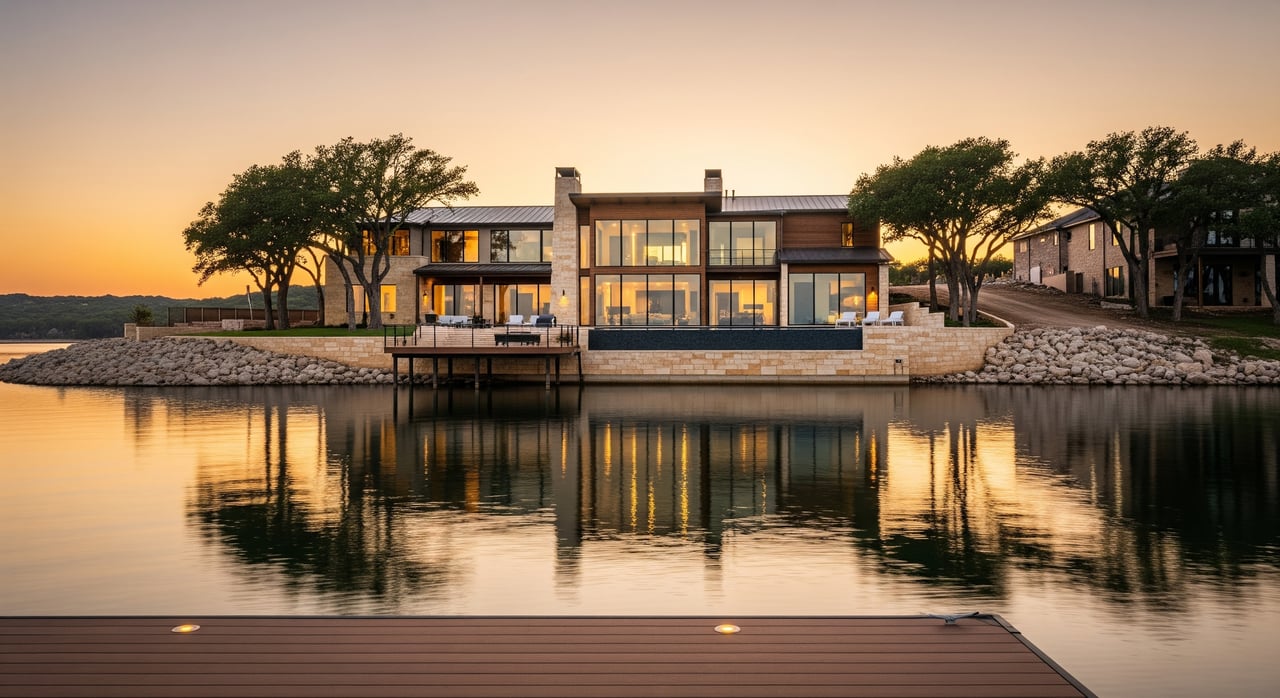
Should You Build or Buy on Lake Marble Falls Waterfront?
January 15, 2026
January 15, 2026
Should you build your dream home from the ground up or buy an existing property and start enjoying the lake faster? If you are looking at Lake Marble Falls waterfront in 78657, that decision comes with a few extra layers. You are factoring in shoreline rules, dock permits, floodplain questions, and site costs that can swing your budget.
In this guide, you will see how timelines, approvals, costs, and due diligence differ for building versus buying on Lake Marble Falls. You will also learn what is unique about lots in the Llano area and how to plan a smooth path to the water. Let’s dive in.
If you value full control over layout, systems, and finishes, building can be worth the wait. You will take on a longer timeline and more active project management, and your site can add cost risk. If you want speed and simplicity, buying an existing waterfront home gets you on the lake sooner. You may trade off customization and face repairs or updates, especially with older docks or systems.
On Lake Marble Falls, the choice is also shaped by LCRA shoreline rules, local permitting, utility access, and floodplain requirements. These factors affect both build and buy, but they carry more weight when you plan a custom home and a dock.
Start by confirming where the lot sits. In 78657, properties may be within a city limit like Marble Falls or Horseshoe Bay or in unincorporated Llano County. Each has different building permits, codes, and utility availability. Lake Marble Falls is part of the Lower Colorado River Authority system, so shoreline and dock use follow LCRA policies. Floodplain rules and base flood elevations also apply and can affect first-floor elevation and insurance.
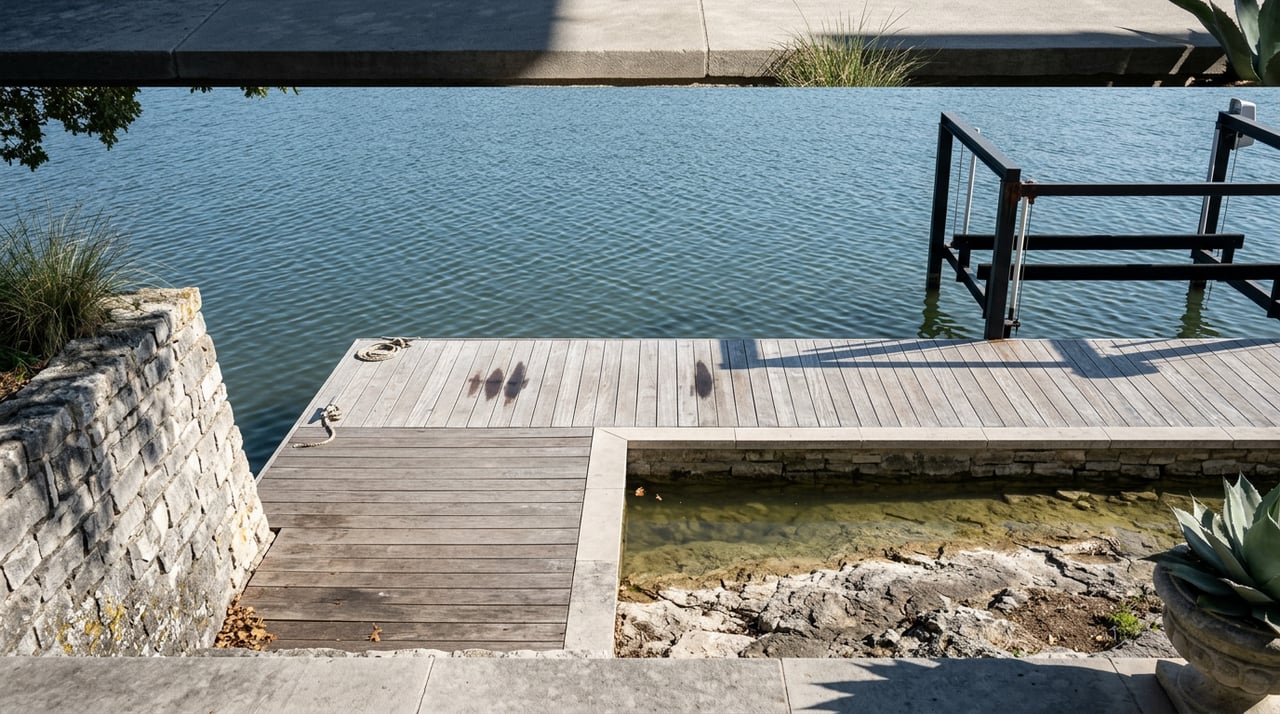
Verify whether the lot includes private lake access and whether you can build or maintain a dock. Where LCRA manages the shoreline, docks typically require LCRA agreements or permits. Check size, height, and type standards for boat lifts and covered slips. Bulkheads and shoreline stabilization methods such as riprap may need approvals and can influence design and long-term maintenance.
Topography drives your foundation and cost. Steeper or bluff lots may need deep piers or pier-and-beam structures. The Hill Country’s rock can make excavation and foundations more expensive. A geotechnical investigation supports structural design and can also inform septic suitability.
Confirm whether the property has municipal sewer or requires on-site sewage facilities. If there is no municipal water, evaluate well options and the rules that apply. Electric and broadband extensions can add cost, especially on more remote segments of shoreline. Verify road access, whether it is public or private, and any shared maintenance agreements.
Some neighborhoods regulate tree removal or require mitigation plantings. Check for local environmental overlays and buffer zones along the shoreline. On any waterfront lot, plan for erosion control and stormwater management to protect the lake and neighboring properties.
Many waterfront neighborhoods use ARC guidelines that set roof materials, color palettes, maximum heights, and impervious cover limits. ARC review often adds several weeks to months. Know the submission requirements, including site plans, elevations, and material samples.
Shoreline uses such as docks, piers, and bulkheads are generally reviewed by LCRA and may also need local permits. If the shoreline falls under LCRA oversight, dock slips can be subject to leases and renewal conditions. Plan your dock concept during schematic design so you can coordinate structure, access, and utilities.
Waterfront homes benefit from elevated living areas or floodable lower levels that meet local floodplain rules. Wind loads and water exposure call for durable materials and corrosion-resistant fasteners. Landscape design that uses native, deep-rooted plants helps stabilize slopes and limit runoff into the lake.
Dock type depends on water level fluctuation, rules, and depth. Floating and fixed docks differ in maintenance profiles and upfront cost. Materials and lift choices influence long-term upkeep and should be part of your budget from the start.
Custom construction costs vary widely with finishes and site complexity. A moderate custom home uses mid to upper tier materials, while a high-end luxury build with engineered docks and complex site work sits substantially higher per square foot. Dock and bulkhead costs also vary with size, type, and shoreline conditions. For accurate numbers, obtain local quotes from licensed waterfront builders and marine contractors.
Use this checklist to reduce risk before you commit:
Choose to build if you want a tailored layout, are comfortable with a 12 to 30 month timeline, and have flexibility for site-driven costs. Building lets you optimize orientation, resilience, and dock integration from day one.
Choose to buy if you want to be on the water in weeks or months and are open to limited customization. You may invest in updates or dock work, but you start enjoying the lake sooner.
If you are undecided, start with site and shoreline due diligence. A clear view of flood elevation, dock rights, soils, and utilities will often tilt the decision.
You deserve a straight, well-managed path to the lake. With boutique, place-first representation across the Highland Lakes, we help you pressure test a lot or a listing against the details that matter here. That includes shoreline rules, ARC guidelines, utility realities, and local contractor capacity.
We curate on and off-market options, coordinate the right experts, and negotiate with precision, whether you are building legacy value or buying a ready-to-enjoy retreat. When you are ready to explore the best opportunities on Lake Marble Falls, connect with Kody Hall for discreet guidance and Private Access.
Stay up to date on the latest real estate trends.
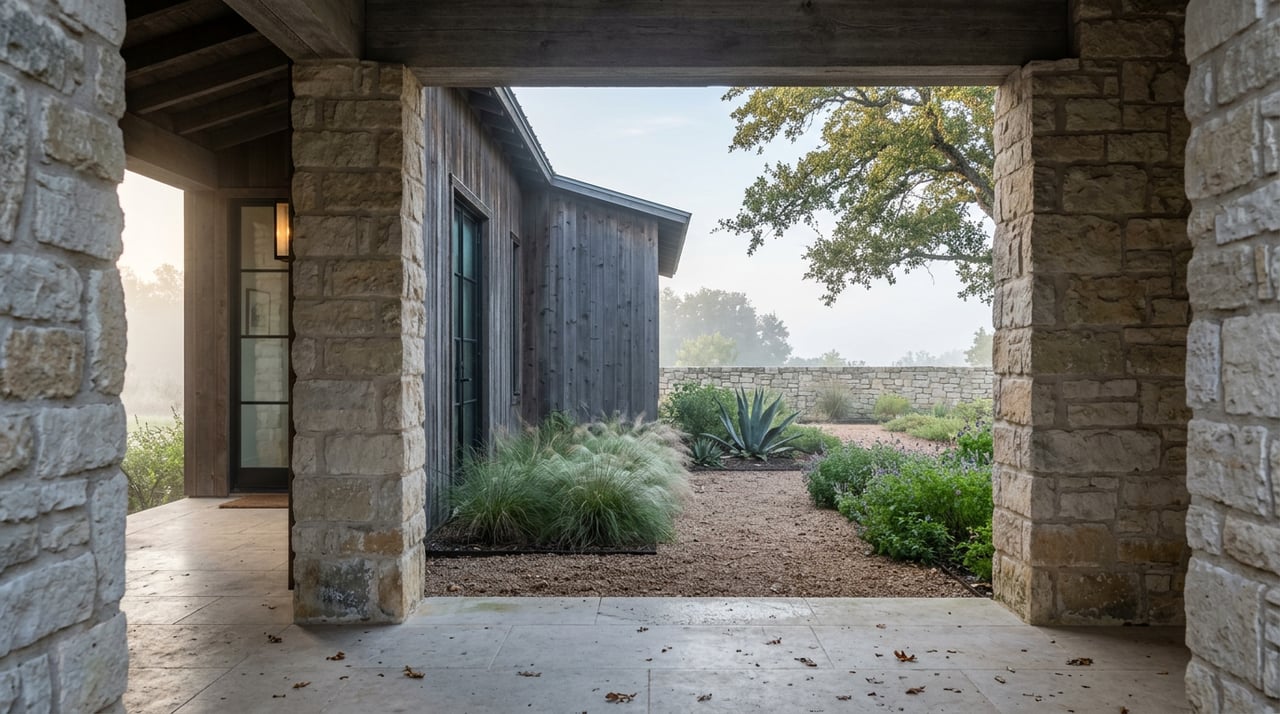
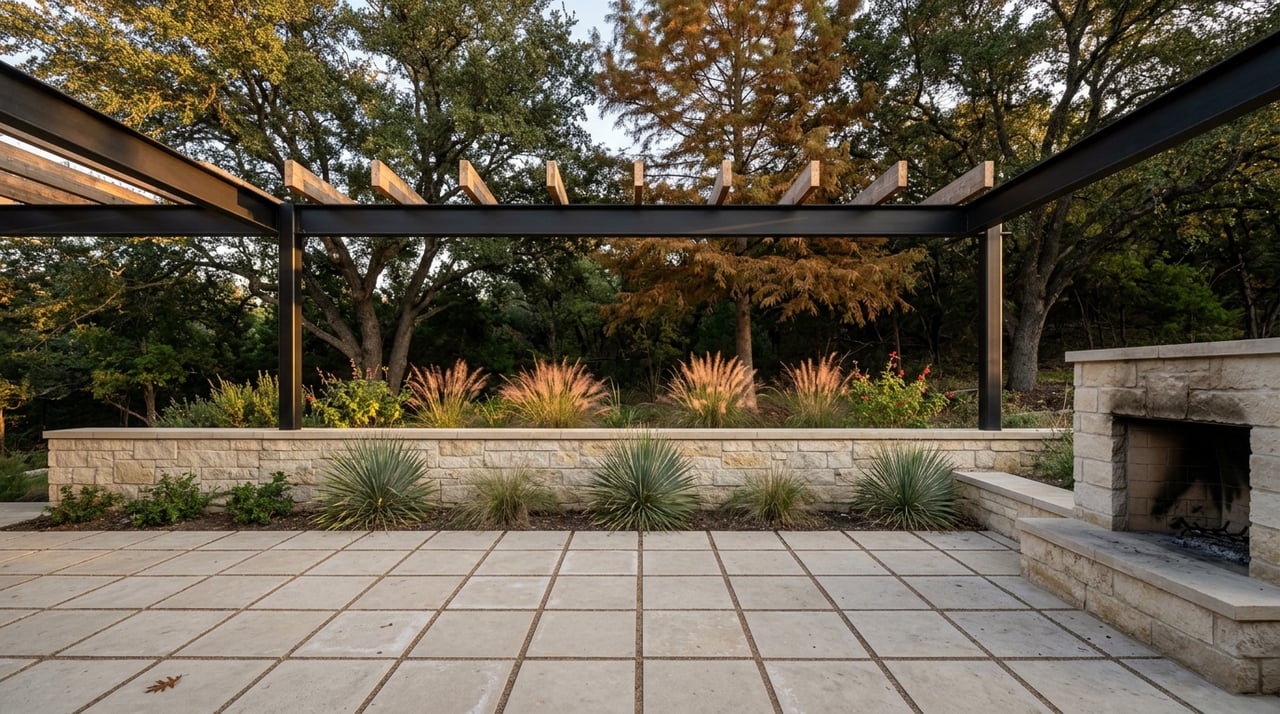
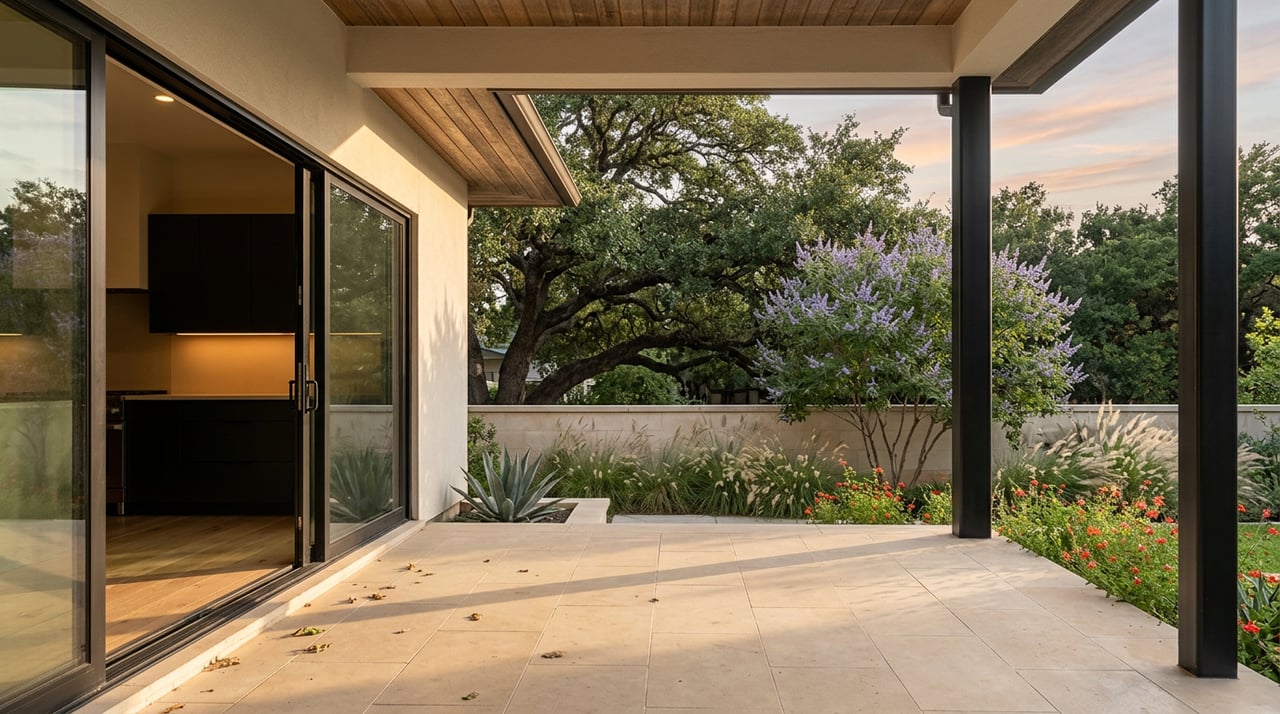
Partnering with an acclaimed real estate professional is crucial to navigate the complexities of the high-end market. The luxury sphere requires vast knowledge of private sales and precision-level marketing tactics, all while maintaining client confidentiality throughout the process. Hall Realty Group provides forward-thinking processes that encompass the highest level of attention to detail. For sellers, it's imperative to analyze off-market comparables and exclusive market trends, both of which are not publicly available. In order for a buyer to achieve success, the client must be aware of exclusive listings not broadcast on the open market. These aspects complement our extensive network, directly correlating to the success of our clientele. HRG possesses superior negotiation skills honed through experience in dealing with high-value transactions. Kody understands the art of negotiation in the luxury market, including how to navigate complex offers, handle multiple bidders, and advocate effectively on behalf of their clients. HRG has a deep understanding of the luxury lifestyle and effectively communicates tailored strategies needed for the desired result.