Lake LBJ’s Constant Level Advantage for Waterfront Buyers
November 21, 2025
November 21, 2025
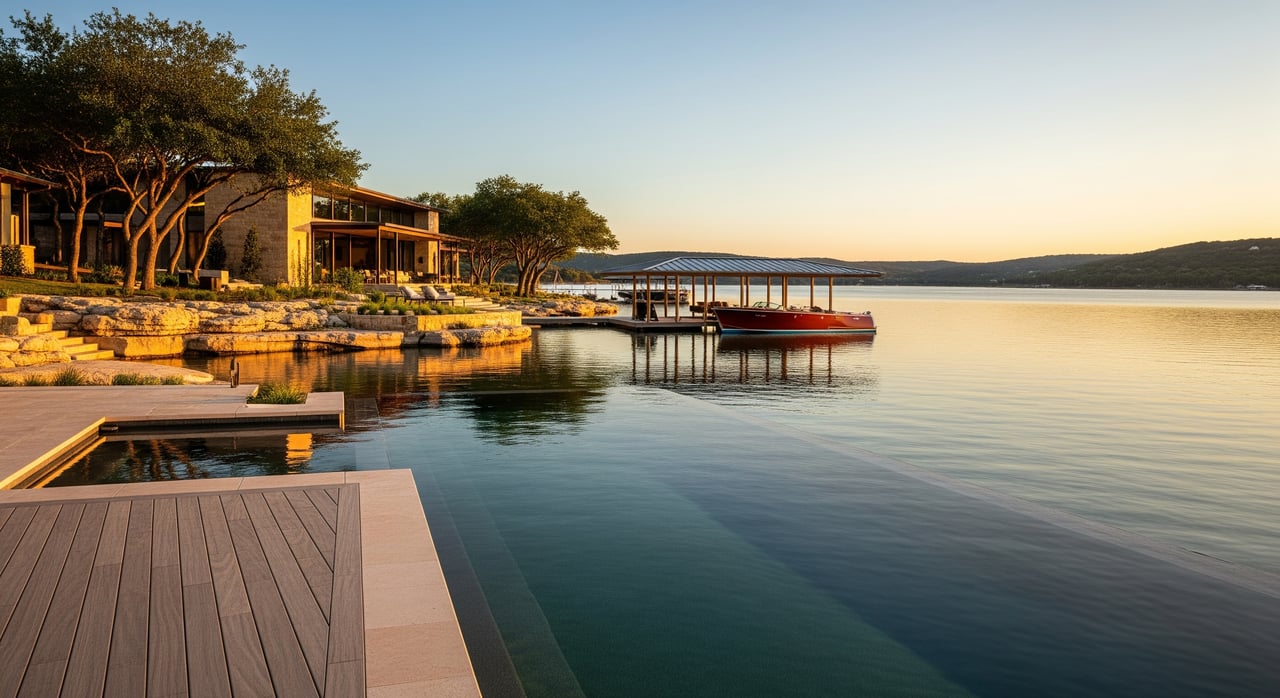
Is a lake house still a lake house if you can’t reach your boat half the year? If you’re weighing Lake LBJ against other Highland Lakes, water level stability is one of the biggest lifestyle and value differences you’ll notice. You want reliable dock access, easy boating, and fewer surprises. This guide breaks down what “constant level” really means on LBJ, how it affects docks, shoreline, maintenance, risk, and resale, and what to verify before you buy. Let’s dive in.
“Constant level” means the surface elevation is managed to stay within a relatively narrow range most of the time. On Lake LBJ, that stability comes from coordinated releases within the Highland Lakes system for recreation, hydropower, water supply, and downstream flow needs. In practice, LBJ sees fewer large seasonal drawdowns than some nearby reservoirs.
Stability is not absolute. Extreme weather, upstream releases, and operational changes can still move levels. Before you buy, verify current operating policies with the lake authority and ask about any recent exceptional events.
A steady lake makes dock ownership simpler.
Consistency on LBJ supports everyday convenience and second-home rhythm.
Stable elevation reduces the wet-dry cycling that can weaken banks on variable lakes.
A constant-level setting can streamline ownership.
Actual costs vary by materials, exposure, access, and storm history. Get local contractor estimates during diligence.
Multiple jurisdictions may apply. Expect involvement from the regional lake authority, local county or city, and state agencies for docks, shoreline work, and submerged lands. Confirm whether any existing dock is permitted, whether permits transfer, and what your HOA or POA allows for docks, rentals, and guest use.
A constant lake does not remove flood risk. Extreme rainfall, upstream releases, and unusual operations can cause flooding. Check FEMA flood maps and any elevation certificates for the property. Standard homeowners policies usually exclude flood damage, so separate flood insurance may be needed if the structure is in a mapped floodplain. Dock, boat, and marina-related coverage can also be useful.
Work that changes the shoreline or lakebed, such as dredging, filling, or seawalls, commonly requires permits. Water quality and vegetation control are monitored and regulated. If you plan to alter shoreline structures, build in time for approvals and potential mitigation.
Predictable water access and easier dock ownership are high-value features for second-home and luxury buyers. They can support stronger pricing compared with similar waterfront on variable lakes. That said, premiums depend on lot size, frontage, home quality, views, and access, not just level stability.
Properties with clear, transferable dock rights and easy year-round access tend to appeal to a broader buyer pool. Uncertainty about permits, maintenance backlogs, or recurring vegetation issues can reduce interest.
Consistent water access can lengthen the rental season and reduce guest complaints. If you plan to rent, confirm local short-term rental rules and boat mooring policies for renters.
Use this list during showings and due diligence.
Lake LBJ’s managed stability is a real advantage. You get more predictable dock access, easier boating, simpler shoreline care, and a smoother ownership experience. It can also support value, resale, and rental performance when combined with the right lot, home, and view. The key is to verify permits, risk, and rules so your expectations match the property.
If you want a quiet, expert-led process with access to on- and off-market options on LBJ, connect with Kody Hall for discreet guidance and private showings.
Stay up to date on the latest real estate trends.

Partnering with an acclaimed real estate professional is crucial to navigate the complexities of the high-end market. The luxury sphere requires vast knowledge of private sales and precision-level marketing tactics, all while maintaining client confidentiality throughout the process. Hall Realty Group provides forward-thinking processes that encompass the highest level of attention to detail. For sellers, it's imperative to analyze off-market comparables and exclusive market trends, both of which are not publicly available. In order for a buyer to achieve success, the client must be aware of exclusive listings not broadcast on the open market. These aspects complement our extensive network, directly correlating to the success of our clientele. HRG possesses superior negotiation skills honed through experience in dealing with high-value transactions. Kody understands the art of negotiation in the luxury market, including how to navigate complex offers, handle multiple bidders, and advocate effectively on behalf of their clients. HRG has a deep understanding of the luxury lifestyle and effectively communicates tailored strategies needed for the desired result.