Heard people call Lake LBJ a constant-level lake and wondered what that really means for you? If you are exploring a lake home or second home, the difference between constant and variable levels affects how you boat, how you build, and how you protect your investment. In this guide, you will learn how Lake LBJ is managed, how that compares with other reservoirs, and what it means for docks, permits, insurance, and resale. Let’s dive in.
What constant-level means on Lake LBJ
Lake LBJ is part of the Texas Highland Lakes and is managed to hold a stable pool elevation most of the year. The goal is predictable recreation, steady shoreline conditions, and reliable hydropower operations. This operating approach comes from coordinated releases and controls across the lake chain.
Constant-level does not mean the water never changes. During drought, flood response, or system-wide needs, levels can move outside the usual band. Think of it as “operated for stability under normal conditions,” with flexibility for extreme events.
How it differs from variable reservoirs
Purpose and tradeoffs
- Constant-level lakes prioritize year-round recreation, riparian access, and predictable shorelines.
- Variable-level reservoirs focus on water supply, flood control, irrigation, or timing for power generation, which can drive larger swings.
Fluctuations you can expect
- Constant-level lakes typically see smaller routine daily or seasonal changes.
- Operators can still adjust levels in response to drought or storms, so short-term changes can occur.
Extreme events and limits
- Stability is managed, not guaranteed. Drought can lower levels and flood events can raise them beyond the normal range.
- Planning for outliers is still part of smart lakefront ownership.
What this means for your day-to-day
Boating and recreation
Stable water levels make it easier to keep your boat in service all year. You can plan weekend runs, paddle sessions, or family swims without your dock sitting high and dry or too deep to access. Public ramps and marinas also tend to remain usable more consistently.
Dock usability and marinas
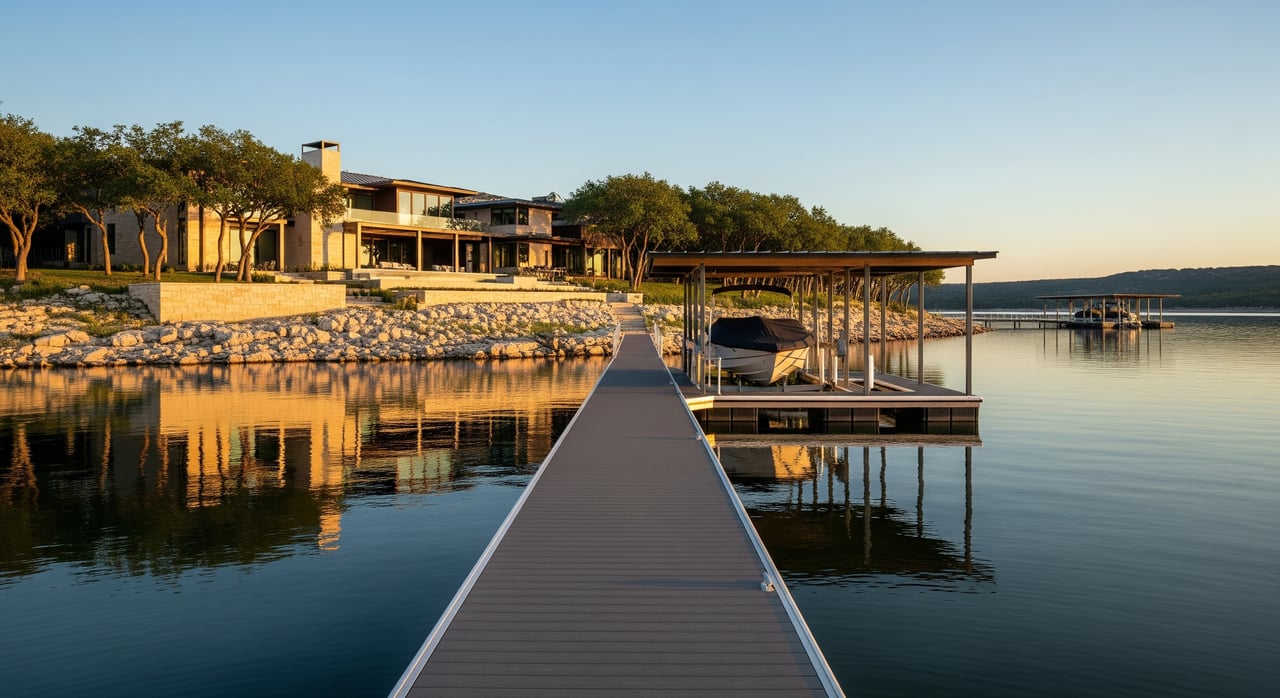
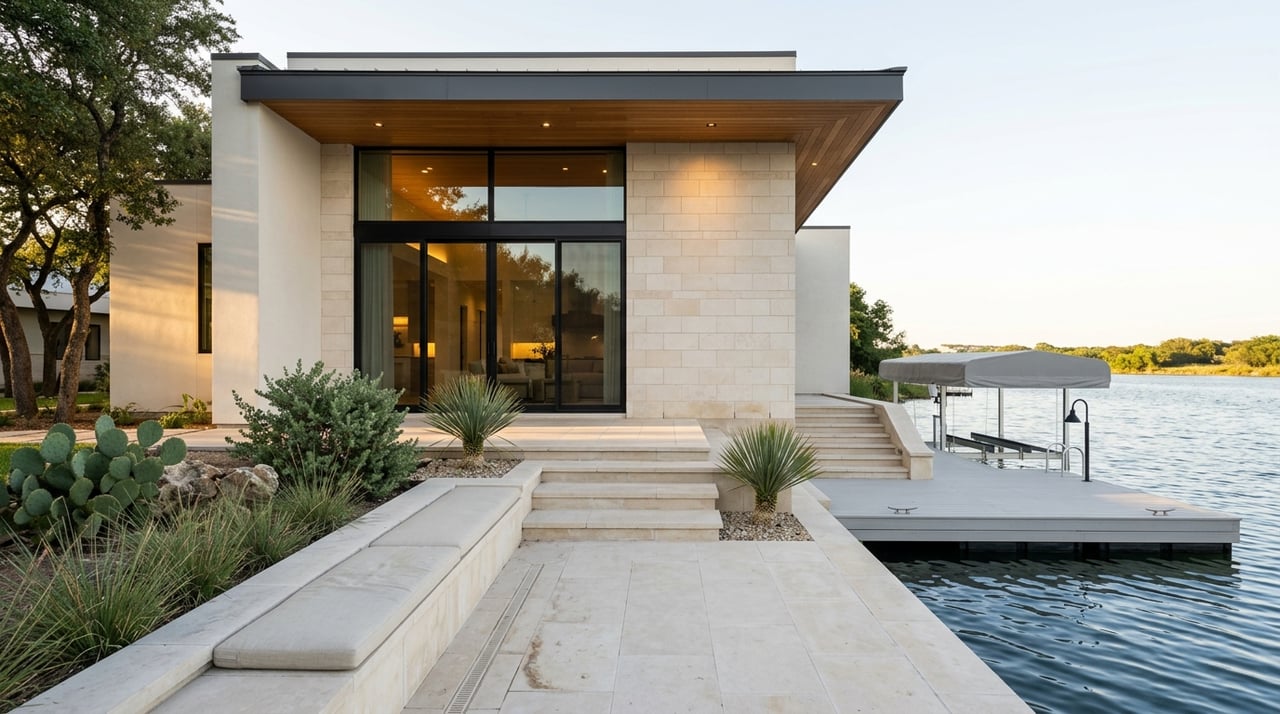
Predictable waterlines support permanent docks, boathouses, and lifts. Many owners on Lake LBJ use fixed or floating docks sized for continuous use. Marinas can operate services year-round because access is more reliable.
Shoreline structures and maintenance
- Dock design and permission: LCRA administers shoreline and dock rules on the Highland Lakes. You should confirm what is currently permitted on a property and whether permits transfer.
- Erosion and bank stability: Smaller routine swings can reduce stress on shoreline soils and vegetation. Wind waves, boat wakes, and occasional high water still cause wear, so riprap, vegetation, or other protection may be needed and often permitted.
- Landscaping: Predictable waterlines make it easier to plan plantings, lighting, and lakeside amenities that stay functional across seasons.
Utilities and building
- Septic and utilities: Predictable elevations can simplify siting septic systems relative to high-water marks, but you must follow county health rules and setbacks.
- Foundations: Less seasonal exposure can reduce certain risks, yet designs still need to account for flood events and groundwater.
Insurance and risk
- Flood considerations: Constant-level lakes are not exempt from flooding. Review FEMA flood maps and local floodplain designations and consult your insurance agent.
- Premiums: Stable levels can reduce some routine dock damage, but premiums depend on flood zone, elevation, and property-specific risk.
Lifestyle and resale
If you value year-round boating and permanent shoreline improvements, constant-level management is a big plus. Many buyers view stability as a premium feature, which can support market appeal. Overall value still depends on location, views, dock rights, home quality, and market conditions.
Rules and permits on Lake LBJ
Who regulates what
- LCRA: Oversees lake operations and shoreline rules on the Highland Lakes. Dock permitting and a Shoreline Management Program guide improvements.
- Local governments: Cities and counties handle building permits, zoning, septic, and some dock or code requirements. Examples near Lake LBJ include Marble Falls, Kingsland, Horseshoe Bay, Burnet County, and Llano County.
- State agencies: Texas Parks & Wildlife covers boating safety and public access. TCEQ oversees wastewater rules. Some state protections may apply to habitat and water quality.
Permits to verify before closing
- Dock, boatlift, and boathouse permits, including transferability.
- Shoreline stabilization approvals for riprap, seawalls, or living shoreline work.
- Septic permits and inspections, including setbacks from the waterline.
- Encroachments and easements that affect shoreline use or access.
- HOA or deed restrictions that govern dock design and waterfront use.
Environmental considerations
- Protected vegetation, wetlands, or habitat areas can limit certain methods of stabilization or construction.
- Activities that affect runoff, turbidity, or water quality can be regulated.
Buyer due diligence checklist
- Verify recent lake operation status and any deviations from normal pool. Ask the seller for property-level water history, if available.
- Get copies of existing dock and boathouse permits. Confirm if they transfer and whether renewals are due.
- Confirm shoreline boundaries, easements, and riparian rights, including any LCRA-managed land.
- Check city and county permits for septic, shoreline work, and building elevations.
- Review FEMA flood maps and local floodplain data. Request any elevation certificates.
- Ask for records of shoreline stabilization work, including permits and contractors.
- Assess nearby marina and public launch conditions, including typical access and maintenance.
- Obtain quotes for homeowner, flood, and boat insurance that reflect the property’s elevation and flood profile.
- Speak with neighbors or a local lakefront agent about typical dock types, maintenance, and resale trends on Lake LBJ.
- If planning new shoreline work, pre-check LCRA and county timelines and costs for approvals.
Quick scenarios in practice
- Normal conditions: You enjoy predictable waterlines that keep your dock and lift in regular use, with easy marina access.
- Drought response: Levels may drop outside the usual band. Boating remains possible, but you may adjust lift heights or ramp use.
- Flood response: Managers may pass or hold water to protect the system. Elevated levels and stronger currents can occur. You secure boats and gear, and follow local guidance.
The bottom line
Lake LBJ’s constant-level management gives you a more predictable waterfront experience. It supports year-round boating, practical docks, and stable landscaping, while still requiring sound planning for permits, flood risk, and extreme weather. If you want a lake home that balances fun with foresight, constant-level matters.
When you are ready to explore properties or verify permit and shoreline details on a specific address, connect with Kody Hall for discreet guidance and local expertise.
FAQs
What does constant-level mean on Lake LBJ?
- It means the lake is operated to stay near a target level for extended periods to support recreation and stability, with adjustments possible during droughts or floods.
Will Lake LBJ ever drop during drought?
- Yes, it can. Constant-level management aims for stability in normal times but allows level changes during severe drought or system needs.
Can I build a permanent boathouse on Lake LBJ?
- Possibly. Many properties have permanent structures, but you must confirm LCRA rules, local permits, and whether any existing permits transfer.
Are docks easier to maintain on Lake LBJ?
- Often, yes. Smaller routine swings reduce repeated exposure, though wind, wakes, and high-water events still cause wear and require upkeep.
Do I still need flood insurance on a constant-level lake?
- You might. Check FEMA flood maps and local designations. Your need and premium depend on flood zone, elevation, and property-specific risk.
Who enforces shoreline rules on Lake LBJ?
- LCRA handles many shoreline and dock rules. Cities and counties manage building, septic, and local permitting within their jurisdictions.