
Living on Lake Austin in 78733: Schools, Dining & Docks
April 23, 2026
April 23, 2026
What does daily life on Lake Austin actually feel like once the view becomes your routine? In 78733, living near the water is not just about sunset photos or weekend boat rides. It is a rhythm shaped by school schedules, road patterns, dock rules, and the easy habit of grabbing a meal by the lake. If you are considering a move here, understanding that rhythm can help you picture how the area fits your life. Let’s dive in.
Lake Austin is a 1,599-acre constant-level reservoir on the Colorado River, which gives it a more managed, urban-waterfront feel than a typical fluctuating Hill Country lake. According to Texas Parks and Wildlife, the lake reaches a maximum depth of 75 feet and can shift slightly with releases from Lake Travis upstream.
That matters in day-to-day life. You are not living beside a remote recreational lake. You are living along a highly used waterfront corridor where residential life and recreation share the same space.
Not every stretch of Lake Austin feels the same. The city’s watershed reporting breaks the lake into upper, middle, and lower sections, and those distinctions can affect boating conditions and the feel of the shoreline.
The City of Austin watershed summary notes that the upper five miles from Mansfield Dam to Lake Austin Spa had heavy hydrilla coverage, the middle stretch from Commons Ford Park to Emma Long Metropolitan Park had less, and the lower section near Ski Shores Café and Tom Miller Dam was denser again. If you are comparing homes, those landmark references can be a practical shorthand for how a location may function on the water.
You will also hear place names that help locals orient themselves along the west side of the lake. City planning maps identify areas such as Davenport Lake Austin and Old West Austin, while the history of Walsh Boat Landing ties parts of the shoreline to Tarrytown and Davenport Ranch. These are useful reference points when you are trying to understand where a home sits in relation to launch access, dining, and downtown routes.
For many households, one of the biggest drivers of daily rhythm is the school schedule. In this part of west Austin, Eanes ISD serves about 7,700 students across nine schools.
For the Lake Austin and Westlake area, the most relevant public campuses include Barton Creek Elementary in 78733 for grades K-5, West Ridge Middle School in 78733 for grades 6-8, and Westlake High School in 78746 for grades 9-12. If schools are part of your decision, it helps to know that the district emphasizes address-based zoning rather than broad ZIP code assumptions.
This is one of the most important practical details for buyers. Eanes ISD zoning guidance directs families to confirm school assignments by parcel through TCAD and the district’s SchoolSearch map.
In other words, do not assume that a Lake Austin or 78733 address automatically places a property in a specific attendance zone. If school assignment matters to your home search, verify the exact address early.
Daily traffic patterns often follow the school clock. Barton Creek Elementary runs from 7:40 a.m. to 2:50 p.m., West Ridge Middle School from 8:35 a.m. to 4:00 p.m., and Westlake High School from 8:50 a.m. to 4:15 p.m.
Those staggered times create separate drop-off and pickup windows on west Austin roads. If you work downtown, head to appointments across town, or simply want a smoother morning, understanding those timing patterns can make a real difference in how you plan your day.
Even with some transit connectivity, everyday movement around Lake Austin still behaves like a car-first corridor. The west-side travel network leans on MoPac, Loop 360, and Lake Austin Boulevard, which the city identifies as part of its major state-managed roadway network.
There is some public transit connection into UT and downtown, but most residents will still experience the area through driving patterns, school traffic, and event-related slowdowns. That is especially true when lake activity ramps up on warm weekends.
Walsh Boat Landing is one of only two public boat launches on Lake Austin, which gives it an outsized role in how the shoreline functions. The city states that Walsh Boat Landing is public, charges a $10 launch fee, and operates under rules intended to reduce traffic, staging, and parking conflicts.
That means weekend launch timing matters. If you live near the corridor or use public access regularly, busy launch windows become part of your planning just like school traffic does during the week.
Austin also sits in what the city calls Flash Flood Alley. On rainy days, your route may be affected by water levels, temporary closures, or changing road conditions.
The city’s flood safety resources provide live water-level and road-closure information, which is especially useful if you are traveling along lower-lying roads or heading to and from the lake during storms. For waterfront homeowners, flood awareness is simply part of responsible local routine.
One of the appealing parts of Lake Austin living is how naturally the water can become part of your everyday schedule. A quick cruise, a coffee stop, or an early evening pickup by boat can feel normal here. Still, the lake is regulated enough that owners need to understand the framework behind that lifestyle.
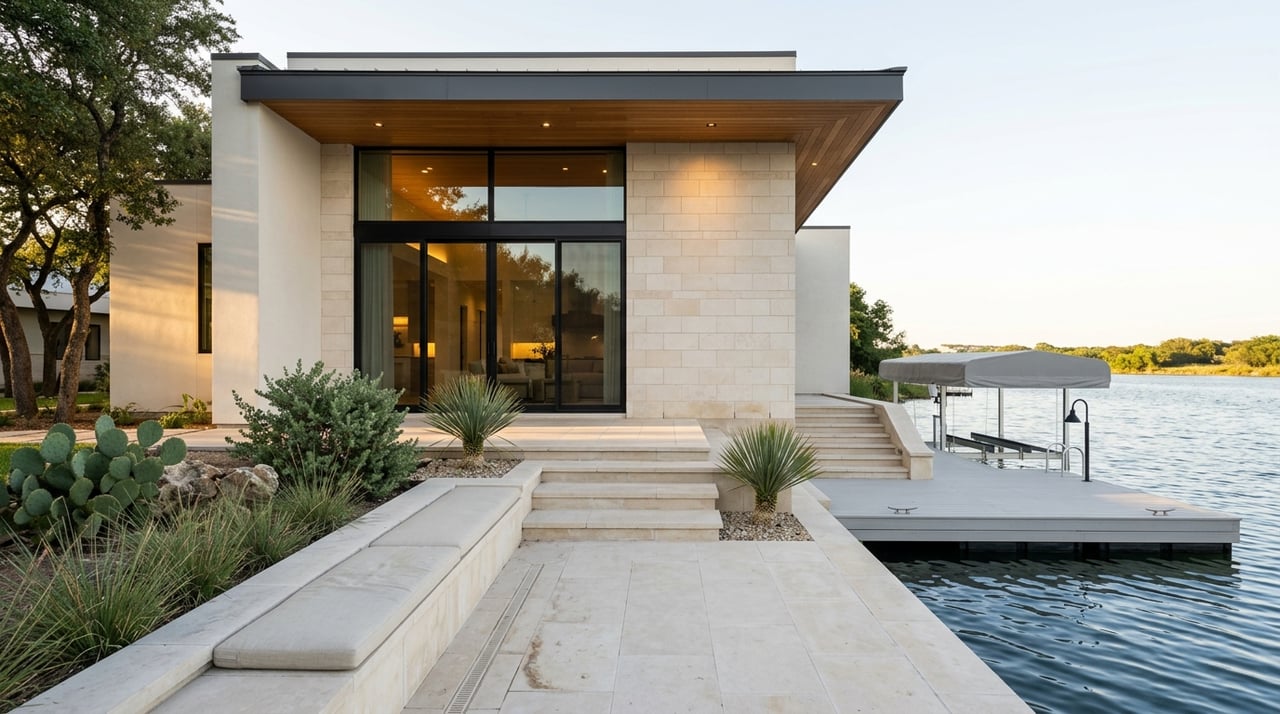
If a property has a dock, the city treats it as regulated infrastructure. The City of Austin dock rules state that new or modified docks require permits, residential dock registration renews every five years, and dock addresses must be visible from the lake.
For buyers, this is a practical point worth noting during due diligence. A well-placed dock can shape how you use the property, but ownership also comes with permitting, registration, and maintenance considerations.
That is part of what makes Lake Austin feel more managed than casual. The waterfront experience is polished and convenient, but it also runs within a clear set of city rules.
Lake Austin daily life would not be complete without its dockside food culture. One of the most recognizable patterns on the lake is mixing errands, recreation, and meals into the same outing.
Hula Hut says its boat docks are free to use and that it offers boat-side delivery. Ski Shores Café is also a useful landmark in the lower section of the lake, where waterfront activity is part of the setting. For a slower lakeside stop, Mozart’s is widely known as a waterfront coffee and dessert destination and promotes seasonal donut boats and cruises during its Festival of Lights.
The appeal here is simple. On Lake Austin, getting coffee or lunch can be part of your shoreline routine rather than a separate trip across town.
Lake Austin has a strong seasonal rhythm, and summer is when that rhythm is most visible. According to Texas Parks and Wildlife, boating activity gets heavy enough in warmer months that fishing is often best early in the morning or at night.
At the same time, hydrilla can become dense enough in some stretches to affect boating, especially in the upper and lower reaches identified by the city’s watershed reporting. Add in launch demand, dock activity, and waterfront dining traffic, and the lake moves into a noticeably higher-traffic mode during peak season.
Some seasonal rules are especially important if you plan to spend major holidays on the lake. The city says personal watercraft are banned on Lake Austin during Memorial Day weekend, Labor Day weekend, and July 3 through 5.
The city can also extend broader waterway closures during flood events. If you are evaluating lakefront living, these rules help set realistic expectations for how the water is used during the busiest times of year.
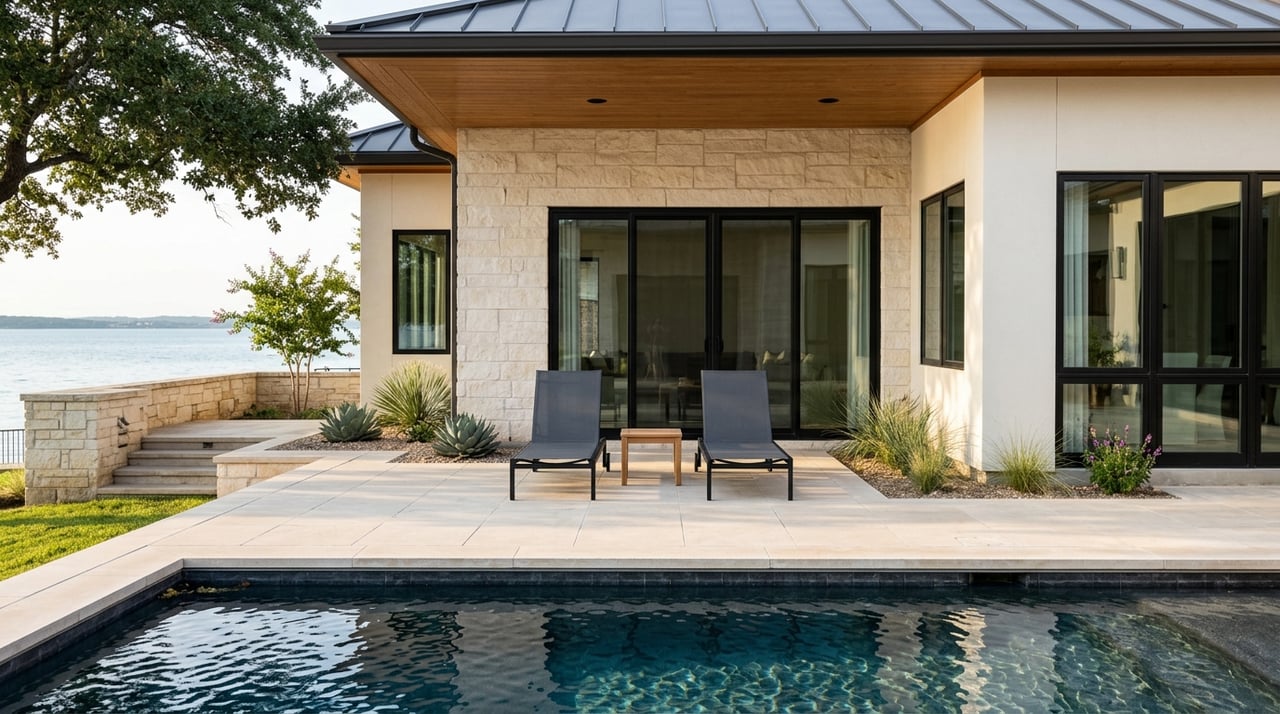
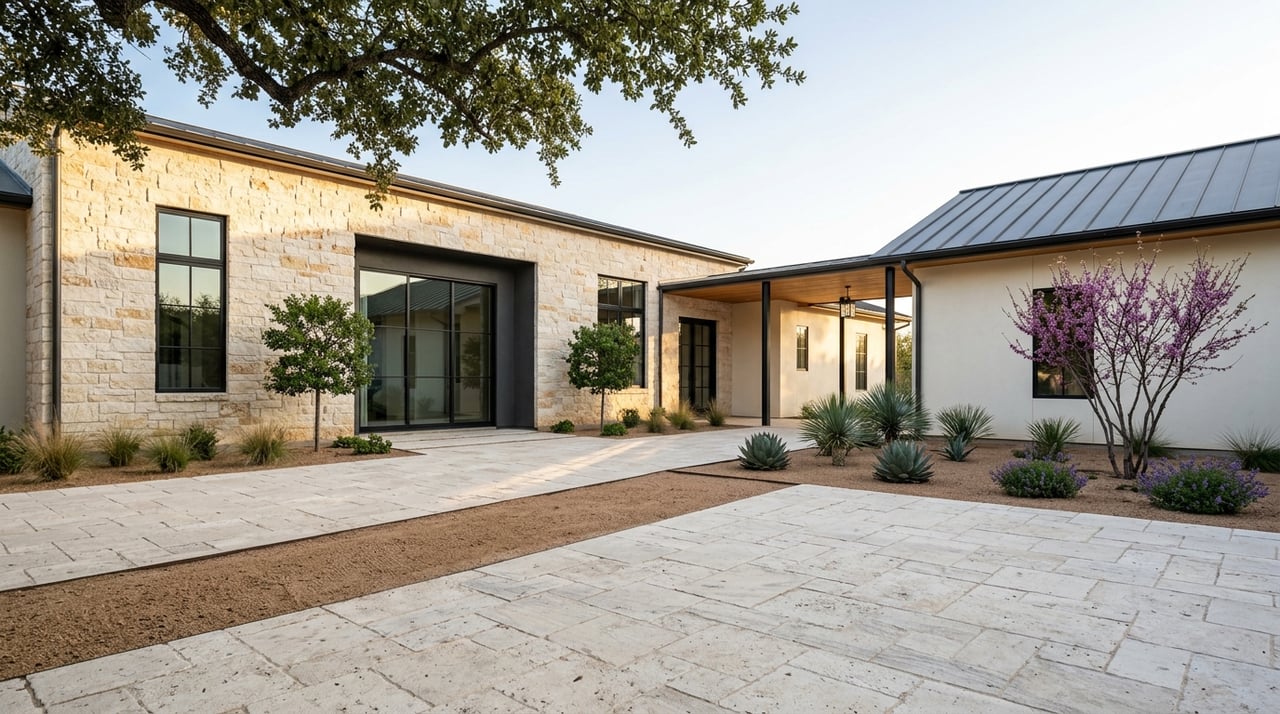
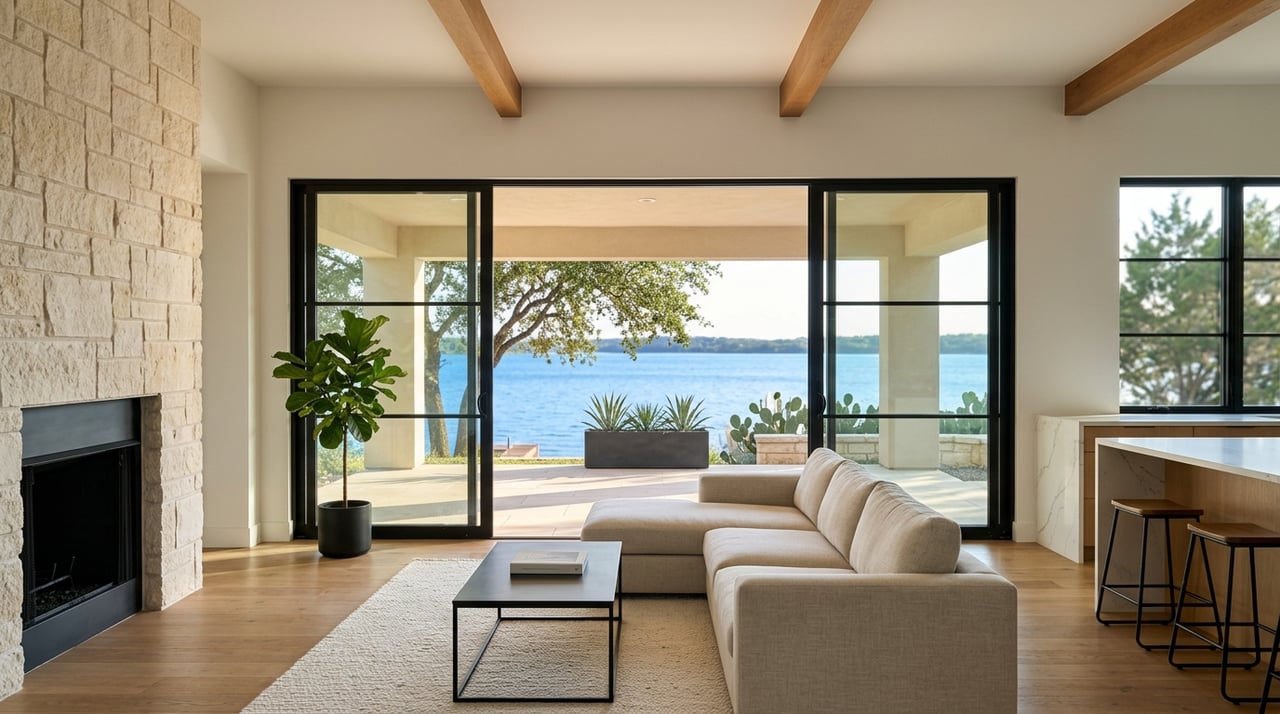
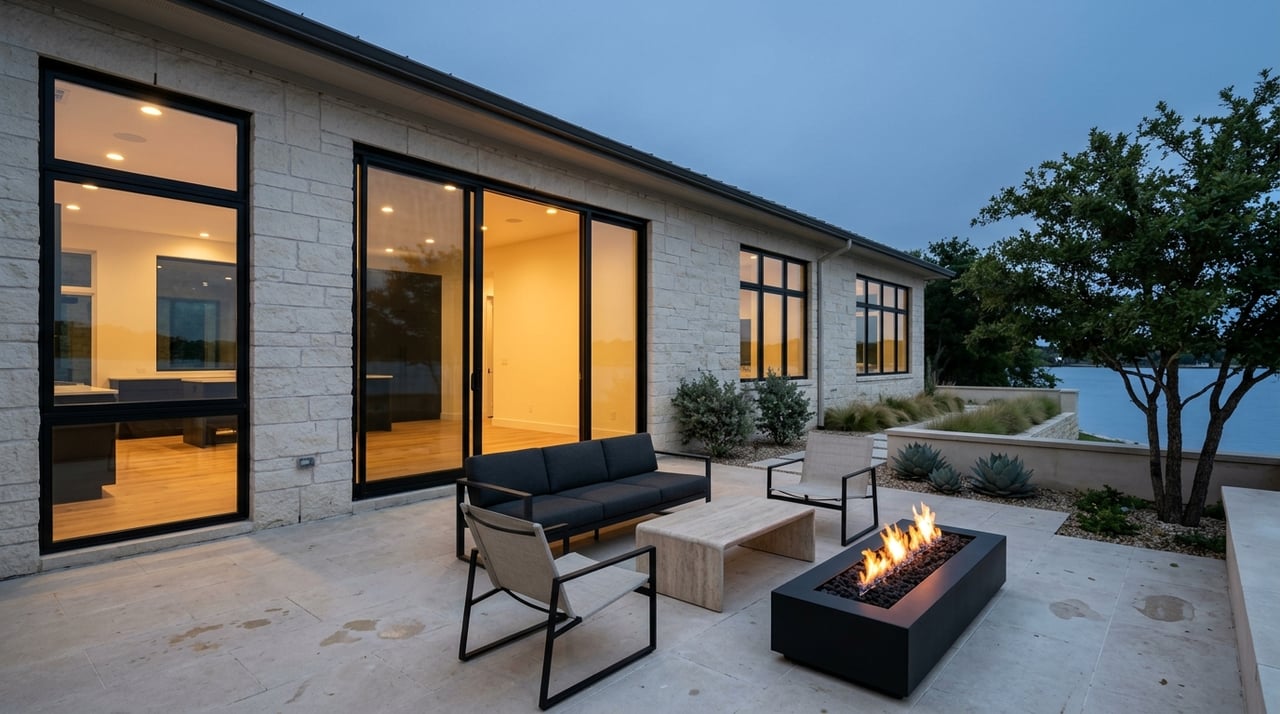
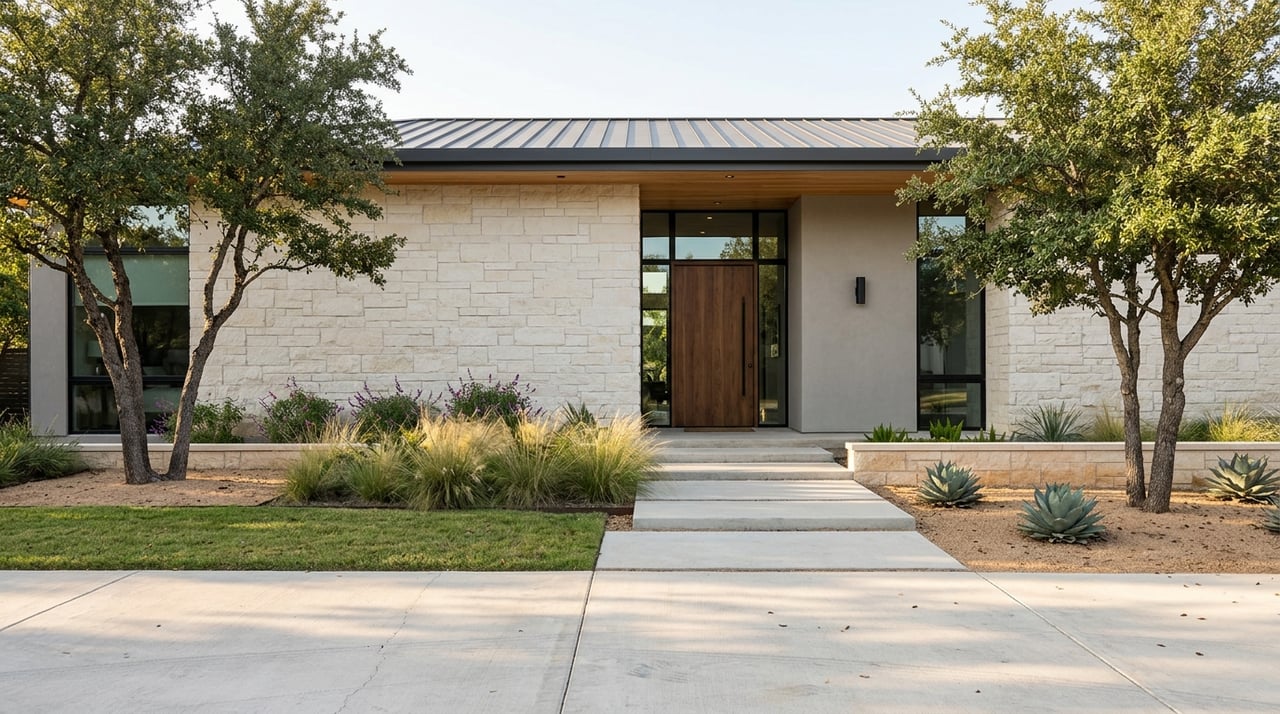
Architecturally, Lake Austin does not read as one-note. Published examples in the area point to a mix of contemporary, Mediterranean-inspired, and Hill Country-influenced custom homes rather than one single look.
That variety is part of the area’s appeal. Along the shoreline and nearby hillsides, you may see clean-lined modern construction, limestone-driven custom homes, and older lakeside properties that speak to the area’s longer residential history.
A good local example of that historical layer is Laguna Gloria, a 14-acre lakeside campus that includes the 1916 Driscoll Villa. It is a reminder that Lake Austin is not just a collection of new waterfront builds. It is a long-established part of west Austin with both legacy properties and newer custom construction.
The clearest way to think about 78733 on Lake Austin is this: you are buying into a residential routine shaped by water. That includes school bells, dock regulations, launch timing, flood awareness, shoreline dining, and seasonal boating patterns.
For the right buyer, that structure is part of the appeal. Life here can feel connected, polished, and highly place-specific. You are not just near the lake. You are living within the cadence of one of Austin’s most distinctive waterfront corridors.
If you are weighing a move to Lake Austin or planning a sale that calls for local, discreet guidance, Kody Hall offers place-specific insight tailored to waterfront and luxury property decisions.
Stay up to date on the latest real estate trends.

Partnering with an acclaimed real estate professional is crucial to navigate the complexities of the high-end market. The luxury sphere requires vast knowledge of private sales and precision-level marketing tactics, all while maintaining client confidentiality throughout the process. Hall Realty Group provides forward-thinking processes that encompass the highest level of attention to detail. For sellers, it's imperative to analyze off-market comparables and exclusive market trends, both of which are not publicly available. In order for a buyer to achieve success, the client must be aware of exclusive listings not broadcast on the open market. These aspects complement our extensive network, directly correlating to the success of our clientele. HRG possesses superior negotiation skills honed through experience in dealing with high-value transactions. Kody understands the art of negotiation in the luxury market, including how to navigate complex offers, handle multiple bidders, and advocate effectively on behalf of their clients. HRG has a deep understanding of the luxury lifestyle and effectively communicates tailored strategies needed for the desired result.