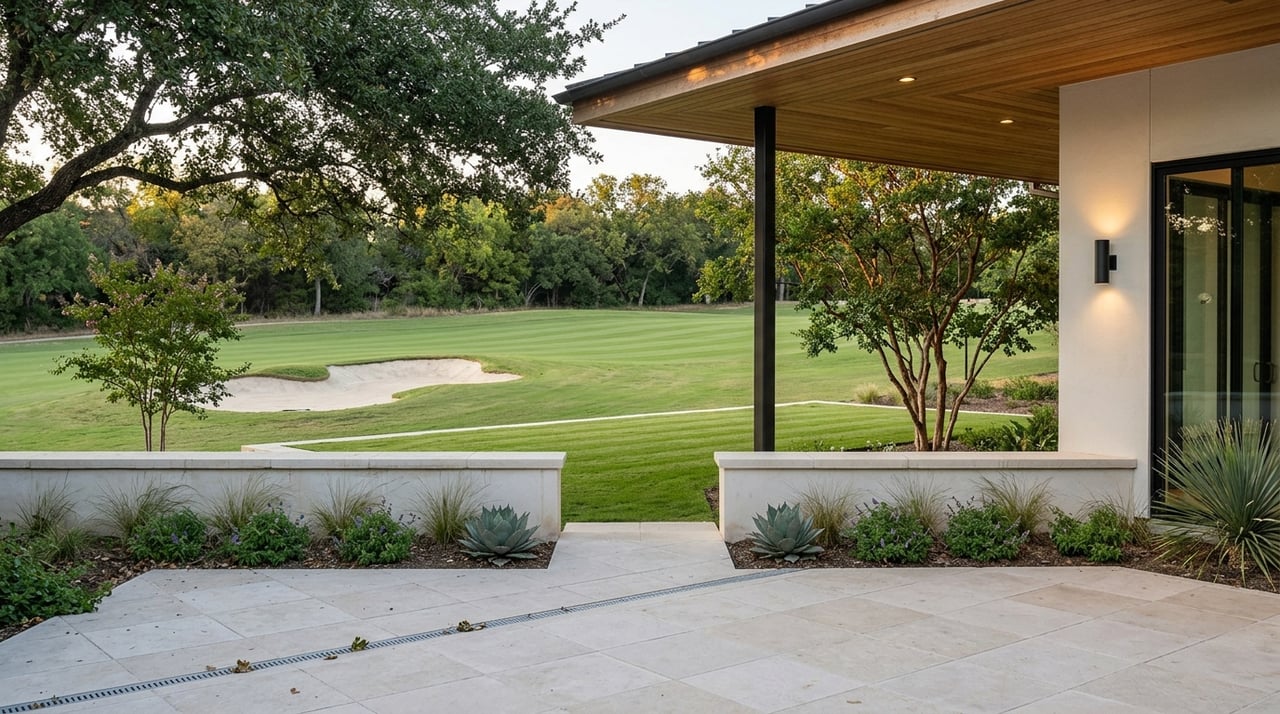
How to Sell a Horseshoe Bay Waterfront Home at the Right Price
May 28, 2026
May 28, 2026
Is your Horseshoe Bay home really competing with every other listing in town? Probably not. In a resort-lake market like Horseshoe Bay, pricing a waterfront home, golf course property, or interior residence the same way can cost you time, leverage, and serious money. If you want to price strategically, you need to know what buyers are actually paying for and how local submarkets behave. Let’s dive in.
Horseshoe Bay is a segmented market, not a single pricing category. The city describes it as a resort community on the south shore of Lake LBJ, spanning both Llano and Burnet counties, with a large share of owners tied to resort membership.
That matters because buyers are not all shopping for the same thing. Some want direct lake access and dock usability. Others care most about golf orientation, clubhouse access, or privacy. In many cases, your home is not simply selling on size or age. It is selling as water, golf, or privacy.
Public market data also shows why broad averages can be misleading. Zillow reported an average home value of $716,334 for Horseshoe Bay in April 2026, while Realtor.com showed a citywide median listing price of $797,250 in spring 2026. Those are different measurements, so they are best used as directional signals, not pricing formulas.
A smart pricing strategy starts by identifying your true buyer pool. In Horseshoe Bay, that usually means separating your home into one of three broad groups:
If you blend these categories together, your pricing can drift away from what the market will support. A lakefront home with dock rights and open-water orientation should not be benchmarked against an interior home just because the square footage looks similar.
That same rule applies in reverse. An off-water property with a strong remodel may still command attention, but it usually does not capture the same premium drivers as a home with direct water access or a premium golf setting.
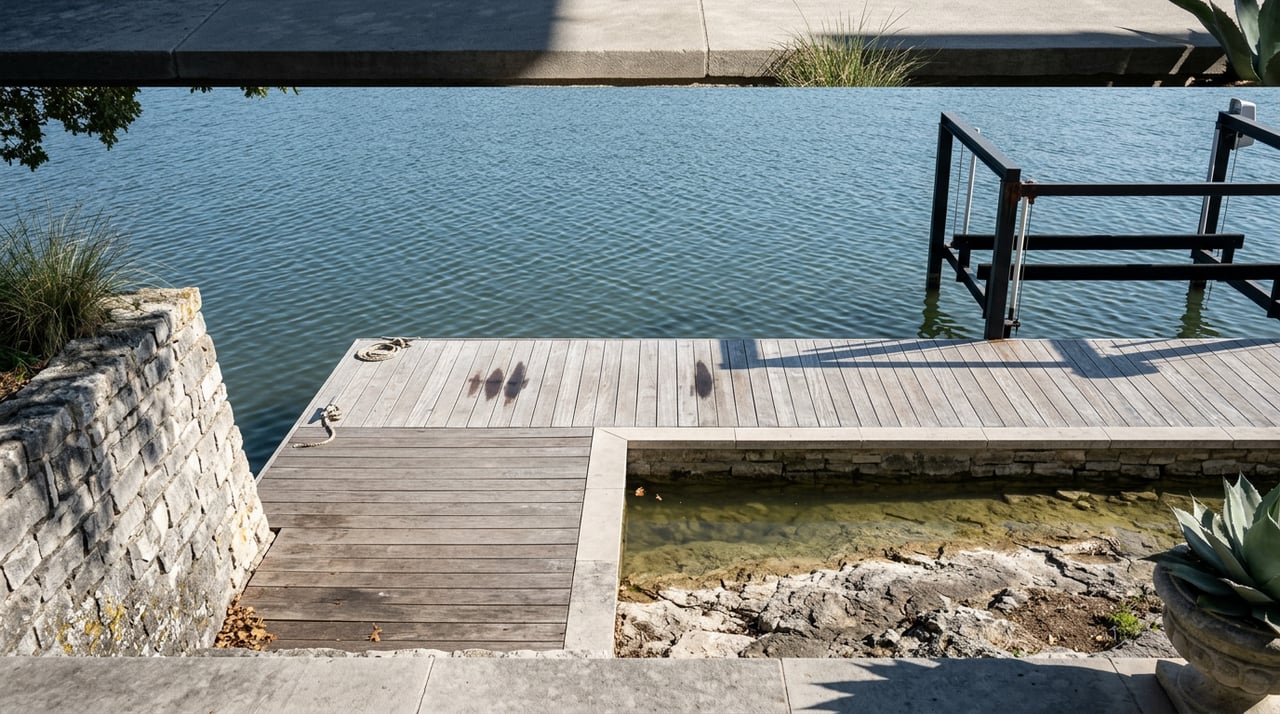
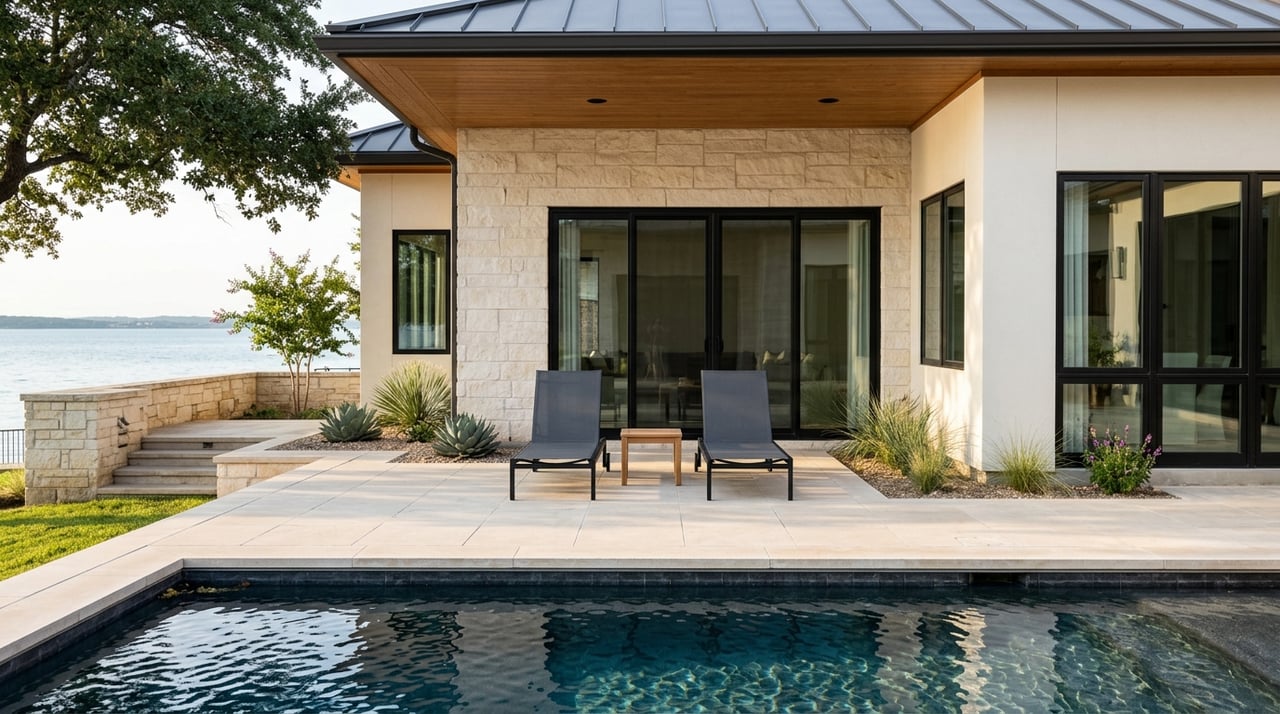
Waterfront homes in Horseshoe Bay can sit in a very wide value range. Current public inventory has shown waterfront product spanning from condo-level pricing below $300,000 to multimillion-dollar estate offerings.
That spread tells you something important. “Waterfront” by itself is not enough to determine price. Buyers and appraisers will look much more closely at the quality of that waterfront experience.
For many Horseshoe Bay lakefront buyers, the premium comes from the details that shape actual use and enjoyment of the property. Key factors often include:
Current listings also suggest that local buyers distinguish between open-water views, lake views, and more limited water views. That is not a formal appraisal rule, but it is clearly part of how properties are being positioned in the market today.
Lake LBJ is often described as a constant-level reservoir, but the local water picture is more nuanced. The lake operates within a target range, and it can rise above normal levels during flood conditions.
For pricing, that means water adjacency alone does not tell the full story. You also need to consider flood exposure, elevation, shoreline usability, and whether a dock or waterfront improvement performs well under real conditions.
Waterfront sellers often leave money on the table, or chase the market down, by making a few avoidable errors:
In this segment, buyers tend to be highly aware of nuance. The more unique the setting, the more precise your pricing and property story need to be.
Golf-oriented homes make up their own submarket in Horseshoe Bay. Public neighborhood pages show meaningful pricing differences between areas such as Summit Rock, Horseshoe Bay West, the Fairways, and the Hills of Horseshoe Bay.
Recent public snapshots showed median home sale or listing figures around $1.084 million in Summit Rock, $897,000 in Horseshoe Bay West, $529,000 in the Fairways, and $322,250 in the Hills of Horseshoe Bay. That range tells you that not all golf-related homes carry the same premium.
Golf value usually comes from more than simply backing to a course. Buyers may pay more when the home offers:
The Club at Horseshoe Bay uses tiered membership, and some amenities such as Summit Rock, Cap Rock Clubhouse, and the Yacht Club are reserved for members. That makes access and membership context relevant when positioning a property.
Even in a strong location, some issues can limit the premium a buyer is willing to pay. The most common ones include:
This is where strategic pricing matters. If your home has the address but not the full set of premium features, buyers will usually notice.
Interior and off-water homes in Horseshoe Bay are often more sensitive to condition and utility. Without a major location premium tied to water or golf, value tends to lean more heavily on the home itself.
In these segments, buyers often pay close attention to:
That is one reason broad resort branding does not always translate into a broad pricing premium. In more standard segments, buyers often compare homes more directly on condition, layout, and practicality.
A strategic asking price should be supportable long after the sign goes in the yard. That means building a comparable sales file that reflects how the market actually sees your property.
Texas appraisal districts value taxable property as of January 1 using mass-appraisal methods based on recent sales and property characteristics such as size, age, construction type, use, and location. Llano County’s public property tools can be a useful starting point for understanding records and local context.
Mortgage appraisals work differently from casual online estimates. Fannie Mae guidance says appraisers should use comparable sales from the subject’s market area, with same-neighborhood sales as the best indicator when available, and report at least three closed comparables.
In Horseshoe Bay, a strong pricing file should separate apples from oranges. Your comparable set should account for details such as:
If those details do not line up, the comp may be weak even if the bed and bath count looks close. In this market, the use case often matters more than the headline stats.
For some Horseshoe Bay properties, a private or discreet launch can make sense before broad market exposure. This approach tends to fit unusually unique, privacy-sensitive, or ultra-high-end homes with a narrow but well-defined buyer pool.
That may apply to certain waterfront dock homes, open-water properties, or niche segments like Summit Rock. These areas are relatively small, and the right buyer may already be active in a focused network.
A discreet launch is usually most effective when:
For more standard off-water homes, wider market visibility is often the better path. In those cases, broad exposure is more likely to reveal the right price and attract the strongest pool of buyers.
Privacy should support strategy, not replace it. If you choose a discreet launch, it should still be guided by local comparables and a clear plan for what happens next.
The best pricing strategy in Horseshoe Bay starts with a simple question: What is the buyer really buying? If the answer is open-water lifestyle, your pricing has to reflect waterfront nuance. If the answer is golf orientation and club access, the comp set should mirror that. If the answer is a well-updated interior home, condition and functionality may carry more weight than resort branding.
That is why strategic pricing is rarely about choosing a number in the middle of the market. It is about identifying your home’s true category, understanding the features that drive premiums or discounts, and presenting the property with enough precision to support the ask.
If you are preparing to sell a Horseshoe Bay waterfront or golf course home, working with a local advisor who understands these submarkets can help you avoid costly shortcuts. For a private, data-driven pricing conversation, connect with Kody Hall.
Stay up to date on the latest real estate trends.
Partnering with an acclaimed real estate professional is crucial to navigate the complexities of the high-end market. The luxury sphere requires vast knowledge of private sales and precision-level marketing tactics, all while maintaining client confidentiality throughout the process. Hall Realty Group provides forward-thinking processes that encompass the highest level of attention to detail. For sellers, it's imperative to analyze off-market comparables and exclusive market trends, both of which are not publicly available. In order for a buyer to achieve success, the client must be aware of exclusive listings not broadcast on the open market. These aspects complement our extensive network, directly correlating to the success of our clientele. HRG possesses superior negotiation skills honed through experience in dealing with high-value transactions. Kody understands the art of negotiation in the luxury market, including how to navigate complex offers, handle multiple bidders, and advocate effectively on behalf of their clients. HRG has a deep understanding of the luxury lifestyle and effectively communicates tailored strategies needed for the desired result.